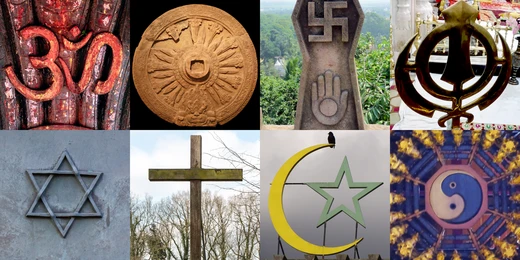
Eucharist
Christian rite of bread and wine instituted by Jesus at the Last Supper.

Didier Descouens · Public domain
The Eucharist, also called Holy Communion, the Blessed Sacrament or the Lord's Supper, is a Christian rite considered a sacrament in most churches and an ordinance in others. Christians believe it was instituted by Jesus Christ at the Last Supper, the night before his crucifixion, when he gave his disciples bread and wine, commanding them to 'do this in memory of me.' The rite involves consecrated bread and wine (or substitutes such as grape juice or water) consumed after a Eucharistic Prayer.
- Also known as
- Holy Communion, Blessed Sacrament, Lord's Supper
- Biblical basis
- Last Supper accounts in Matthew, Mark, Luke, and 1 Corinthians
- Key elements
- Sacramental bread (leavened or unleavened) and wine (or grape juice or water)
- Major theological views
- Transubstantiation (Catholic), sacramental union (Lutheran), real spiritual presence (Reformed), memorial (Plymouth Brethren)
- Primary terms used by
- Catholic, Eastern Orthodox, Oriental Orthodox, Anglican, Lutheran, Presbyterian, Methodist, Baptist, Latter-day Saints
Lore & Background
The term 'Eucharist' comes from the Koine Greek εὐχαριστία, meaning 'thanksgiving,' and appears in the Didache, writings of Ignatius of Antioch, and Justin Martyr. The New Testament uses the related verb εὐχαριστήσας in accounts of the Last Supper, including Paul's earliest written account in 1 Corinthians. The synoptic Gospels (Matthew, Mark, Luke) describe Jesus presiding over a Passover meal, giving bread as 'my body' and wine as 'the blood of my covenant.' The Gospel of John does not explicitly reference the Last Supper but contains theological allusions, especially in the Bread of Life Discourse.
Reader's Guide
The Eucharist has been a central issue in ecumenical discussions due to differing beliefs about Christ's presence. The Catholic Church teaches transubstantiation—the bread and wine become the body and blood of Christ while retaining their appearances. Eastern Orthodox and Oriental Orthodox agree an objective change occurs. Lutherans affirm a sacramental union, with Christ present 'in, with, and under' the elements. Reformed Christians hold a real spiritual presence. Anglican views range from spiritual presence (Evangelical) to corporeal presence (Anglo-Catholic). Plymouth Brethren see it as a memorial. These differences have shaped liturgy and theology across denominations. The rite is known by many names: Mass (Catholic, Lutheran, some Anglican), Divine Liturgy (Byzantine Rite), Holy Qurbana (Syriac), Badarak (Armenian), and Keddase (Ethiopian/Eritrean). The term 'Communion' derives from Latin communio, meaning 'sharing in common,' and is used by many Protestant groups. The term 'Lord's Supper' gained popularity after the Protestant Reformation, especially among Baptists and Pentecostals.
Did You Know?
- The term 'Eucharist' comes from the Koine Greek εὐχαριστία, meaning 'thanksgiving.'
- The Catholic Church teaches that the bread and wine become the body and blood of Christ through transubstantiation.
- Lutherans believe the true body and blood of Christ are present 'in, with, and under' the forms of bread and wine.
- The term 'Mass' derives from the Latin word missa, the dismissal phrase 'Ite missa est.'
Origins in the Last Supper
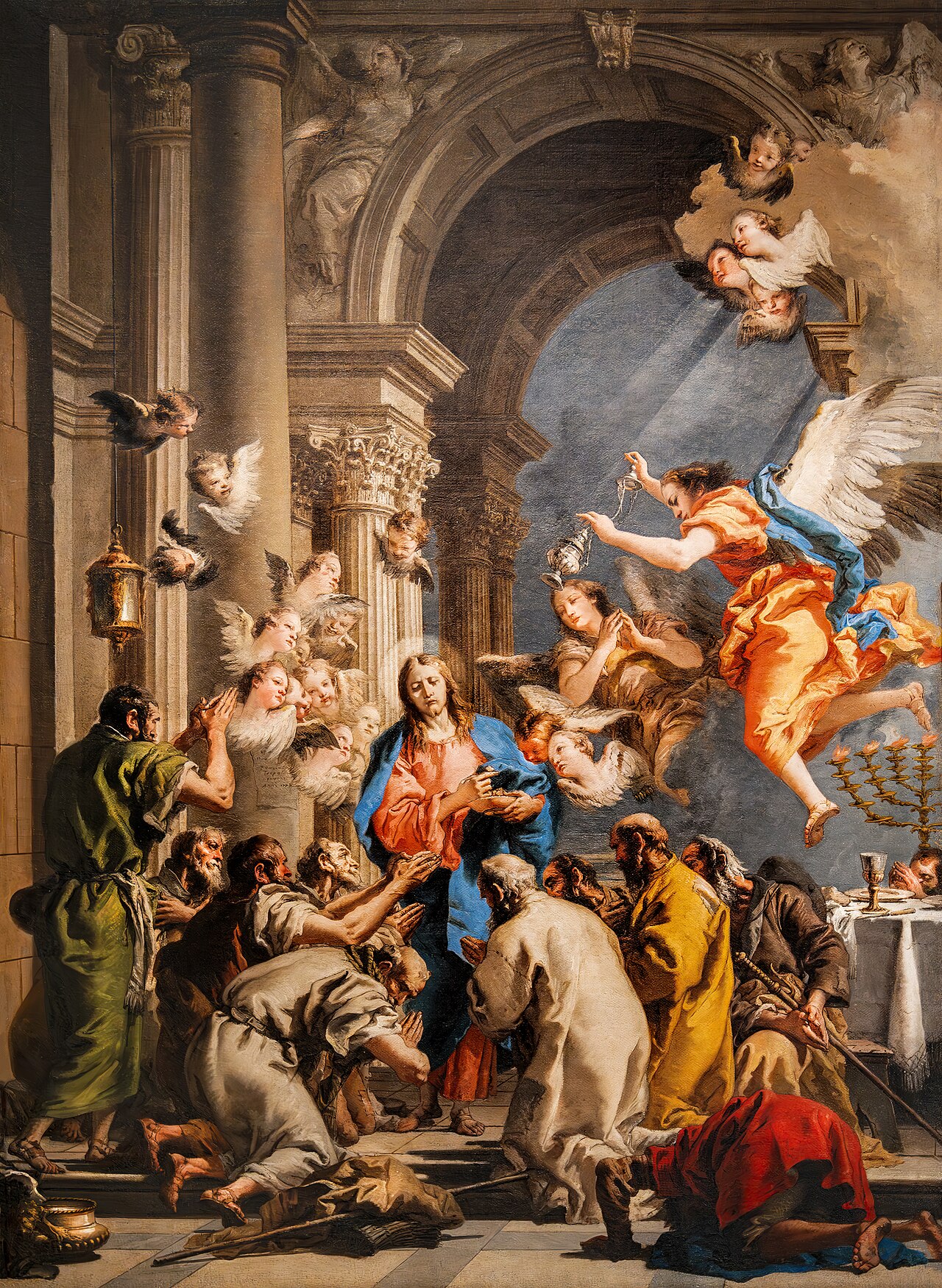
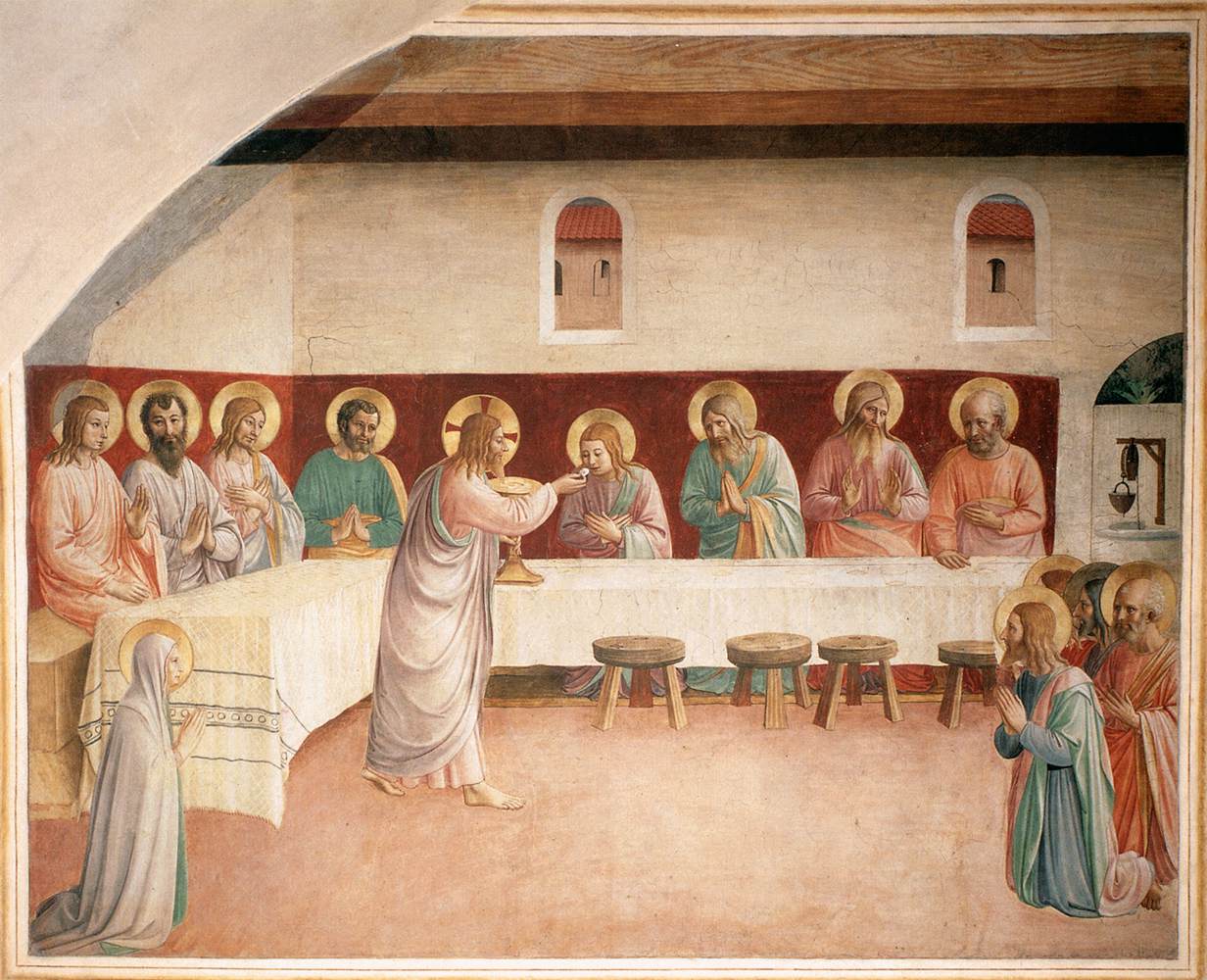
The Eucharist traces its roots to a single evening — the night before Jesus Christ was crucified. According to the synoptic Gospels, this took place during a Passover meal, where Jesus took bread and wine, gave thanks, and distributed them to his disciples. He identified the bread as his body and the wine as the blood of his covenant, poured out for many, and instructed them to repeat this act in his memory. The earliest written account of this event appears in Paul's First Epistle to the Corinthians, where he states he received this tradition from the Lord himself and passed it on to the community. This foundational moment has shaped two millennia of Christian worship, with the rite serving as the central act of remembrance and participation in the sacrifice of Christ across virtually every Christian tradition, whether they classify it as a sacrament or an ordinance.
Theological Divergence on Christ's Presence
While Christians broadly affirm that Christ is specially present in the Eucharistic rite, they sharply disagree on the mechanics of that presence. The Catholic Church teaches transubstantiation: at consecration, the very substance of bread and wine transforms into the body and blood of Christ, even though color, taste, texture, and smell remain unchanged. Eastern Orthodox and Oriental Orthodox churches concur that an objective change occurs. Lutherans articulate a sacramental union, holding that Christ's true body and blood are present in, with, and under the elements. Reformed Christians speak of a real but spiritual presence. Within Anglicanism, the spectrum runs from Evangelical spiritual presence to Anglo-Catholic corporeal presence. The Plymouth Brethren view the Supper as a memorial in which believers unite with Christ. These divergent understandings have made the Eucharist a persistent flashpoint in ecumenical dialogue and deliberation.
Terminology and Its Historical Evolution
The name a tradition uses for the Eucharist reveals much about its theological identity and historical lineage. The Greek word eucharistia, meaning thanksgiving, appears in Paul's account of the Last Supper and was the term used by early writers like Ignatius of Antioch and Justin Martyr in the second century. It remains the preferred name among Eastern Orthodox, Oriental Orthodox, Catholics, Anglicans, Presbyterians, and Lutherans. The phrase Lord's Supper comes from Paul's First Epistle to the Corinthians in the early 50s CE and gained popular traction after the Protestant Reformation, favored by Baptists and Pentecostals. Communion derives from the Latin communio, translating the Greek koinōnia in 1 Corinthians, and was adopted by Reformation-era groups. Mass comes from the Latin missa, the final dismissal phrase of the service, implying the congregation is sent out to serve Christ. Each label carries distinct connotations about what the rite accomplishes.
Elements, Consecration, and Liturgical Structure
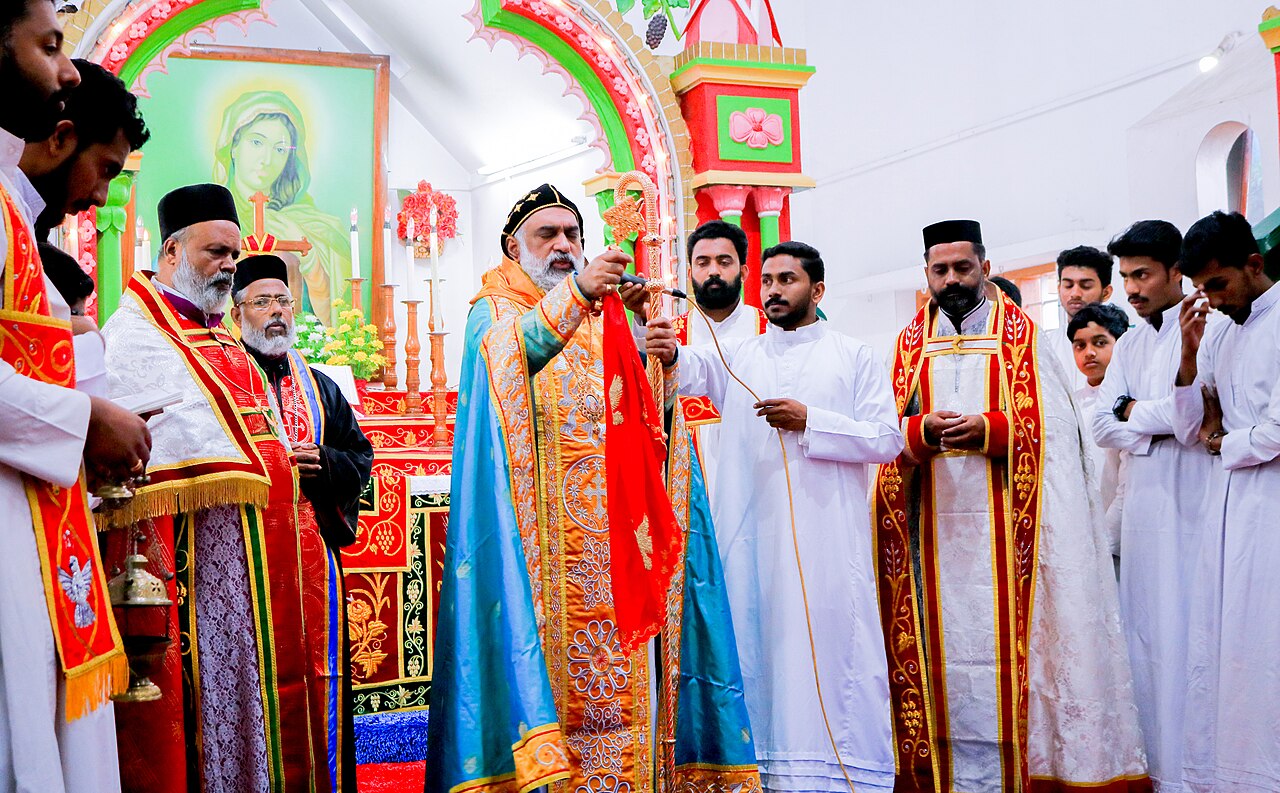
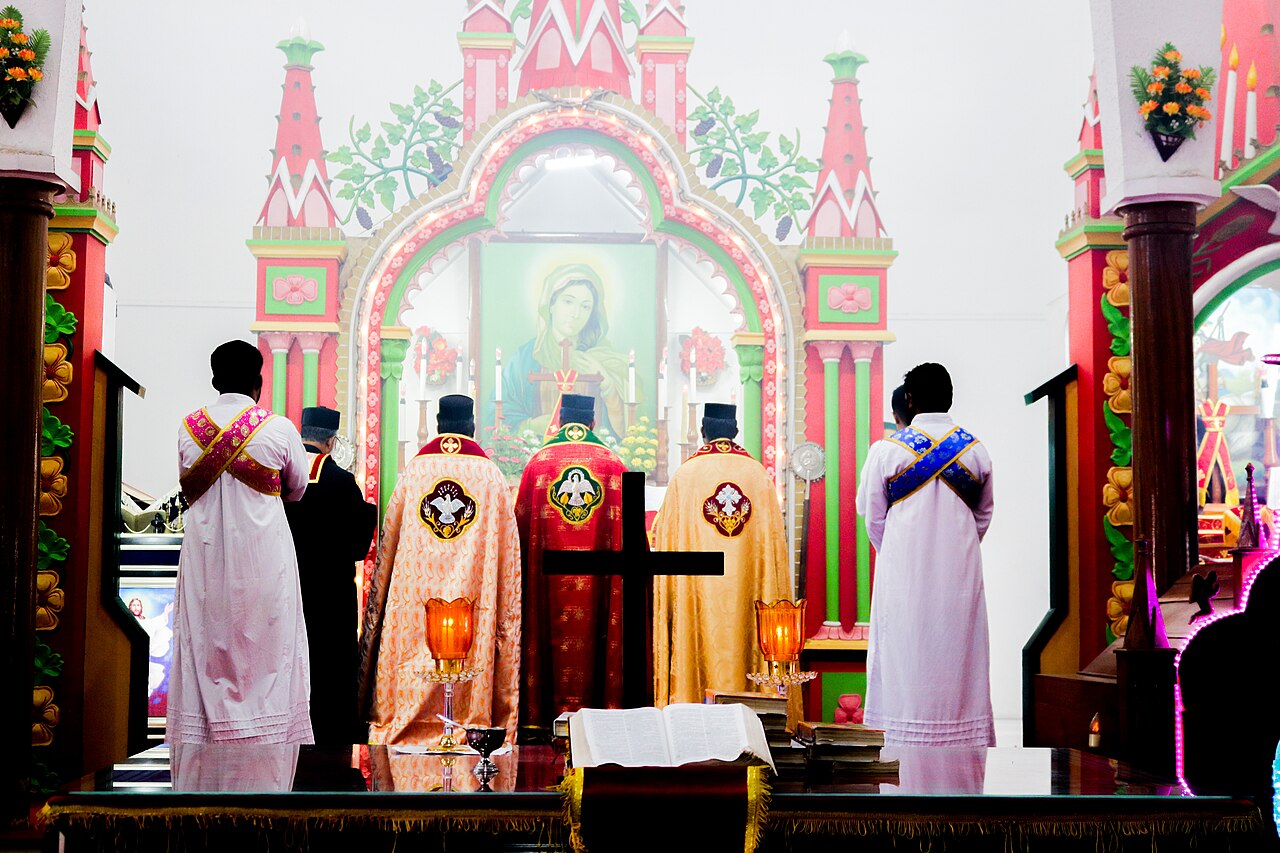
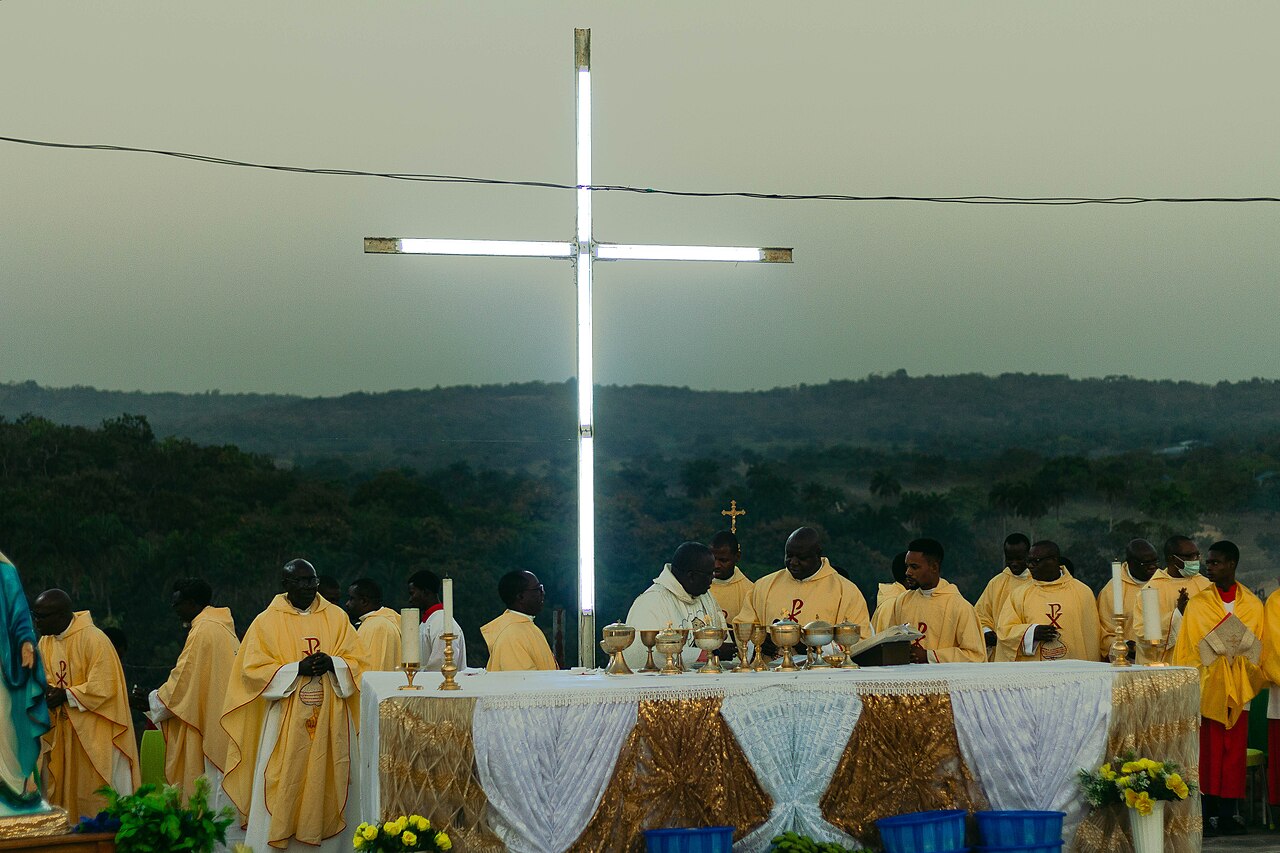
The physical elements at the center of the Eucharist vary by tradition. Most churches use sacramental bread — leavened or unleavened — along with wine, as is the case among Catholics, Anglicans, Lutherans, Eastern Orthodox, and Oriental Orthodox. Methodists, Baptists, and Plymouth Brethren permit non-alcoholic grape juice, while Latter-day Saints use water. These elements are consecrated upon an altar or communion table, becoming the product of the Eucharistic Prayer before being consumed by the faithful. In the Catholic tradition, the full Mass unfolds in two major movements: the Liturgy of the Word, comprising Scripture readings and a homily delivered by a priest, followed by the Liturgy of the Eucharist. The consecrated elements may be reserved in a tabernacle, a practice that gives rise to terms like the Blessed Sacrament or the Sacrament of the Altar, used by Catholics, Lutherans, and Anglo-Catholics to refer to the reserved elements specifically.
Gallery
Frequently Asked Questions
What is the Eucharist?
The Eucharist is a central Christian ritual in which participants consume consecrated bread and wine (or alternatives like grape juice) as a remembrance of Christ's sacrifice. Depending on the tradition, it is also called Holy Communion, the Lord's Supper, or the Blessed Sacrament.
What is the biblical origin of the Eucharist?
The rite traces back to the Last Supper, the final meal Jesus shared with his disciples the night before his crucifixion. During that meal, he took bread and wine, gave them to his followers, and instructed them to repeat the act as a memorial of him, a scene recorded in Matthew, Mark, Luke, and 1 Corinthians.
What do Christians actually believe happens to the bread and wine?
Views range widely across traditions: Catholics teach transubstantiation, meaning the substance becomes Christ's body and blood; Lutherans hold to a sacramental union where Christ is present alongside the elements; Reformed churches affirm a real spiritual presence; and memorialist groups such as the Plymouth Brethren see the act purely as a symbolic remembrance.
What elements are used in the Eucharist?
The two primary elements are bread—either leavened or unleavened depending on the tradition—and wine, though some congregations substitute grape juice or even water. These are typically consecrated through a Eucharistic Prayer before being distributed to the congregation.
Why do some churches call it a 'sacrament' while others call it an 'ordinance'?
The distinction reflects different theological frameworks: churches that view the rite as a channel of divine grace (Catholic, Orthodox, Anglican, Lutheran) classify it as a sacrament, while traditions that see it primarily as an act of obedience to Christ's command (many Baptist and Reformed churches) label it an ordinance. Both groups nonetheless trace the practice to the same Last Supper narrative.
More in Religious Practices And Symbols 1-17
Spotted an error? Know more?
This is a living reference — every entry is fact-audited, and reader corrections feed straight into our audit queue. Suggest an edit · See this site's audit record