
Celibacy
Voluntary unmarried or sexually abstinent state, often for religious reasons.

Henry C. Lea (1829-1909) · Public domain
Celibacy is the state of voluntarily being unmarried, sexually abstinent, or both, often associated with the role of a religious official or devotee. In its narrow sense, the term applies only to those for whom the unmarried state results from a sacred vow, act of renunciation, or religious conviction; in a wider sense, it is commonly understood to mean abstinence from sexual activity. Celibacy has existed in one form or another throughout history, in virtually all major religions, with views varying widely across traditions.
- contrasting_views
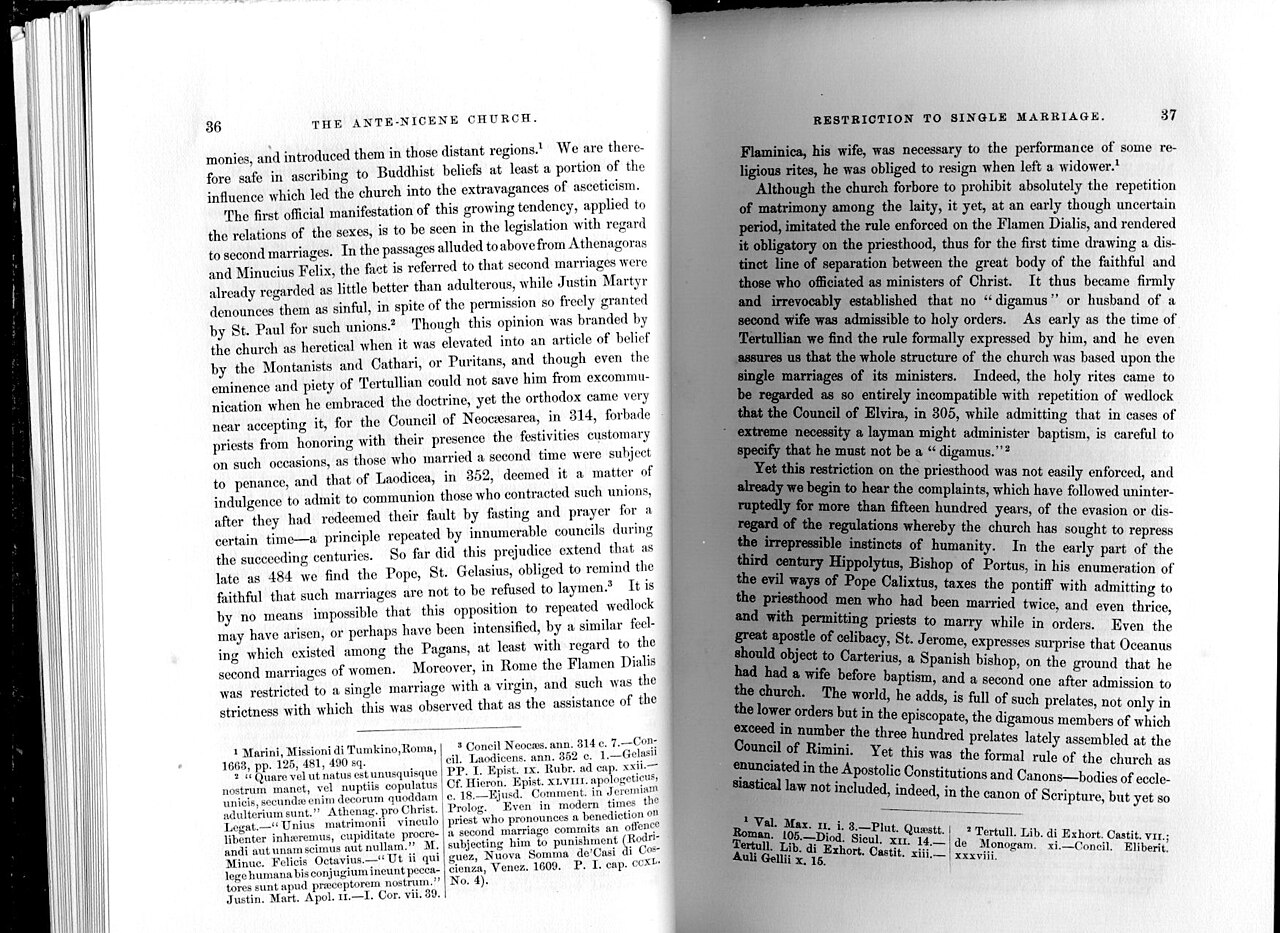
- Romans viewed celibacy as an aberration and legislated fiscal penalties; Judaism and Islam denounced it; Shinto tradition had ascetics and hermits who practiced celibacy, though it was not universally
Lore & Background
In Hinduism, the concept of brahmacharya encourages celibacy during adolescence to focus on learning, and in later years as a way of attaining spiritual liberation. Jainism preached complete celibacy even for young monks, considering it essential for attaining moksha. Buddhism is similar to Jainism in this respect, though cultural differences in areas where Buddhism spread affected local attitudes. In Japan, Shinto tradition included ascetics and hermits who practiced celibacy, and after the Meiji Restoration, a 1872 law allowed—but did not mandate—marriage for Buddhist clerics; the claim that ninety percent of Buddhist monks married is unsourced and likely exaggerated.
Reader's Guide
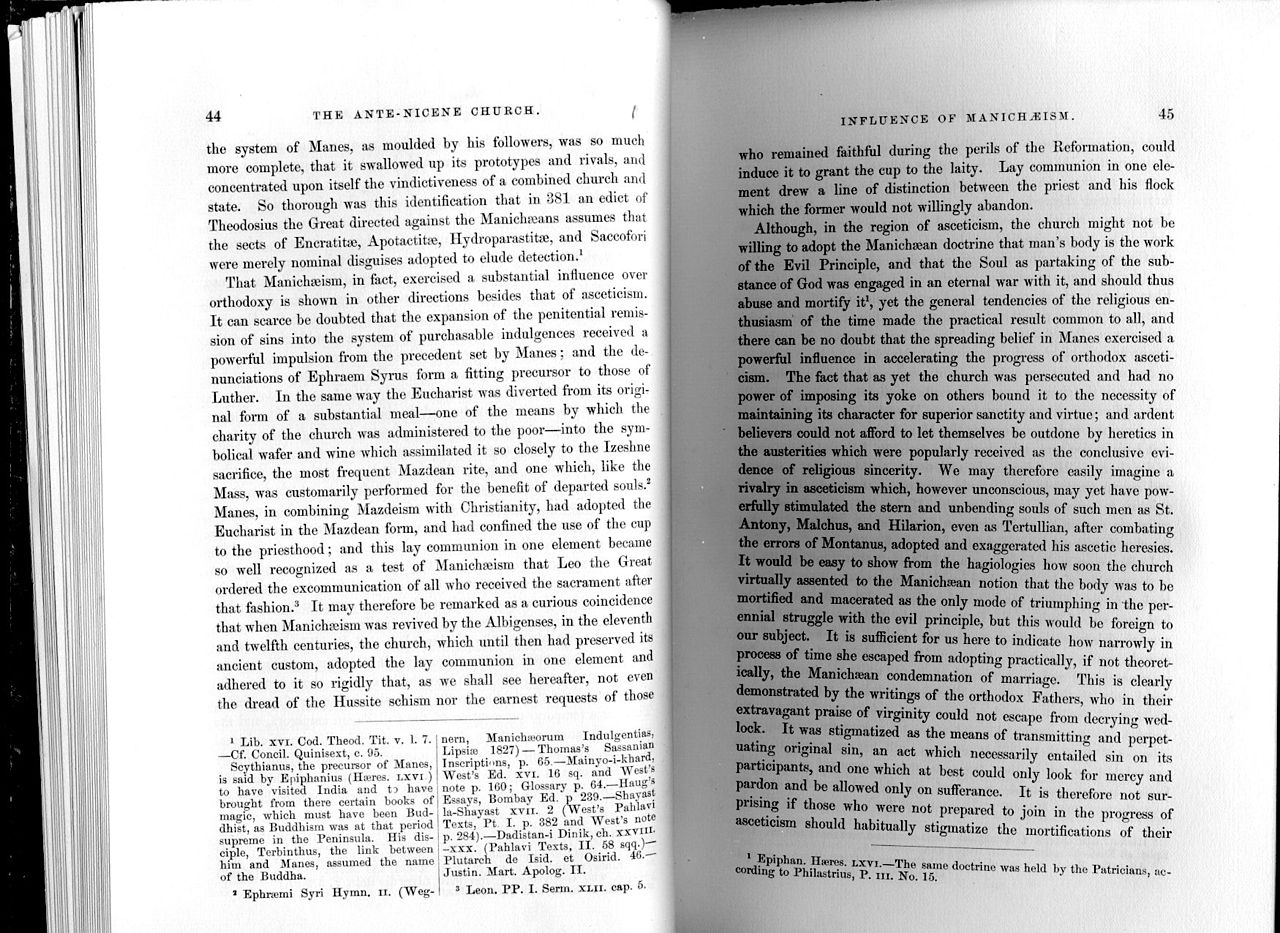
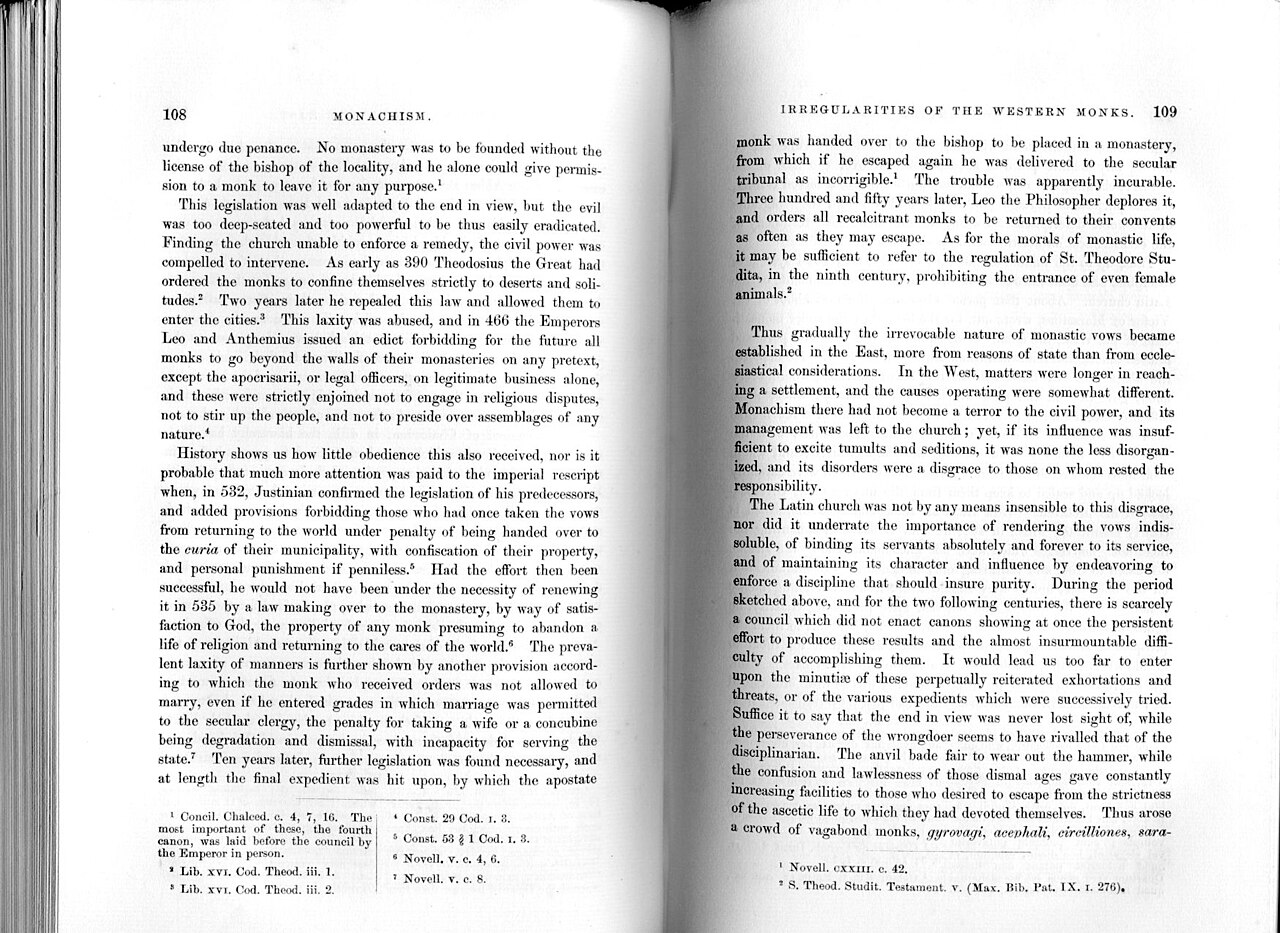
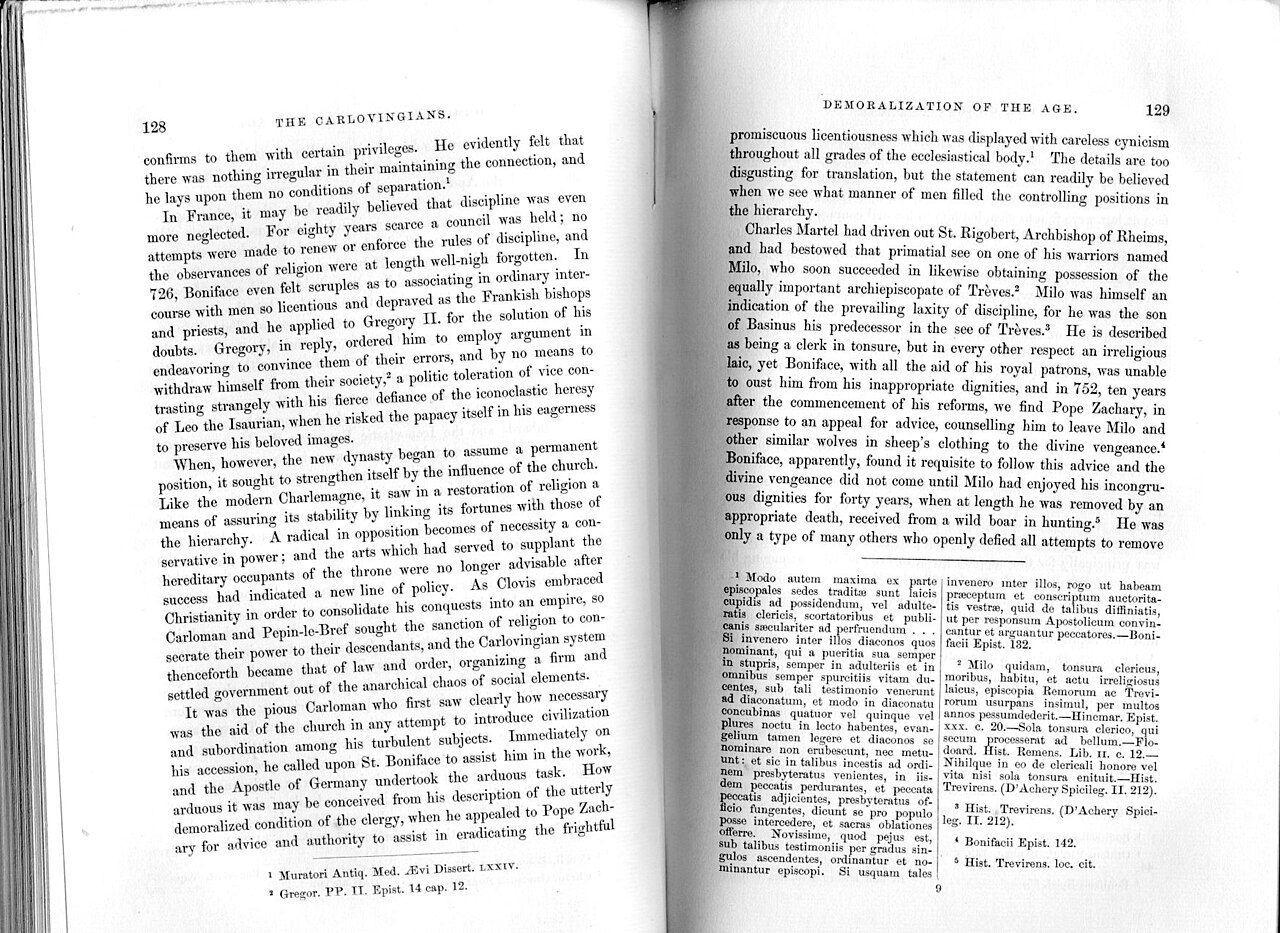
Celibacy has been a significant and contested practice across world religions. In Christianity, no New Testament commandment requires celibacy, but Christ is viewed as having lived a life of perfect chastity, and Paul the Apostle emphasized celibacy as superior to marriage. The early Christians, expecting the imminent end of the world, saw little point in planning families. The Desert Fathers, Christian hermits and ascetics, had a major influence on the development of celibacy. In contrast, Judaism and Islam denounced celibacy, emphasizing marriage and family life, though the Essenes, a Jewish sect, practiced it. The Romans imposed fiscal penalties on celibacy except for the Vestal Virgins. The term itself has been defined variously, with some scholars noting no clear operational definition even within Catholic priesthood.
Did You Know?
- The English word 'celibacy' derives from Latin caelibatus, meaning 'state of being unmarried'.
- The Romans viewed celibacy as an aberration and legislated fiscal penalties against it, except for the Vestal Virgins.
- Judaism and Islam have denounced celibacy, emphasizing marriage and family life.
A Global Mosaic of Sacred and Secular Views
Celibacy has appeared in virtually every major religious tradition, yet attitudes toward it have ranged from fervent endorsement to outright rejection. In Hinduism, the practice of brahmacharya encourages young people to remain sexually abstinent so they can concentrate on learning, and it reappears later in life as a path toward spiritual liberation. Jainism and Buddhism take a harder line, treating complete celibacy as indispensable for monks seeking moksha or enlightenment. Christianity, by contrast, has built an entire institutional architecture around the celibate vow—Catholic priests, Orthodox and Catholic monastics, nuns, and even certain Protestant communities like the Shakers all embrace it. Judaism and Islam, however, have generally denounced the practice, emphasizing marriage and family life as central to faith; the Essenes, a Second Temple-era Jewish sect, represent a notable exception. In most indigenous African and Native American traditions, celibacy carried a negative connotation, though some Mesoamerican warrior groups observed periodic abstinence. Even the Romans, who imposed fiscal penalties on unmarried citizens, carved out an exception for the Vestal Virgins, who pledged thirty years of chastity in service to state ritual.
Defining the Undefined: Etymology and the Abstinence-Celibacy Distinction
The English word celibacy traces back to the Latin caelibatus, meaning the state of being unmarried, which itself grew from the Latin caelebs. Linguists connect this to two Proto-Indo-European roots: *kaiwelo-, meaning alone, and *lib(h)s-, meaning living. Despite this ancient pedigree, the concept remains stubbornly hard to pin down. Sexual abstinence, sometimes called continence, typically refers to refraining from sexual activity for a limited period, whereas celibacy, in its narrower religious sense, implies a voluntary vow of non-marriage or non-sexual activity rooted in sacred conviction. Asexuality, a third concept, is often conflated with both but is distinct because it describes an orientation rather than a chosen behavior. Scholar A. W. Richard Sipe observed that even within the relatively homogeneous world of American Catholic priests, there is no clear operational definition of what counts as celibacy.
Buddhism: From the Buddha's Renunciation to Japan's Reform
In Buddhist tradition, celibacy occupies a foundational place. Gautama Buddha, before his enlightenment, renounced his wife Princess Yasodharā and his son Rahula in order to pursue an ascetic life free from the impermanent world. Both, according to Buddhist texts, later joined the monastic community and attained enlightenment themselves. The Buddha established celibacy as an ideal standard for all monks and nuns across both Mahayana and Theravada lineages, and this rule endured for centuries. Japan presents the most dramatic case of institutional change. For hundreds of years, celibacy was the expected norm among Japanese Buddhist clerics, yet violations were so widespread and persistent that the government finally intervened. The result was sweeping: approximately ninety percent of Buddhist monks and clerics subsequently married. One striking example is Higashifushimi Kunihide, a priest of Japanese royal descent who served as a monk for most of his life while remaining a married man and father.
Christianity and the Vow Tradition
Christianity's relationship with celibacy is layered and, in some ways, paradoxical. No commandment in the New Testament requires Jesus's disciples to live celibately, yet the tradition has built a vast institutional framework around the vow. The general theological view holds that Christ himself lived in perfect chastity, and one of his traditional invocations calls him King of virgins and lover of stainless chastity. When his followers suggested it might be better not to marry, Christ responded that not everyone could accept such a calling. Over the centuries, a formal promise of celibacy became standard for Catholic priests, Catholic and Eastern Orthodox monks and nuns, and members of religious orders and congregations. The Anglican Communion and certain Protestant communities, including the Shakers, also permit or require such vows, as do hermits, consecrated virgins, and deaconesses. Meanwhile, in the broader Abrahamic context, Judaism and Islam have generally rejected celibacy in favor of marriage and family, though the Essenes, a Jewish sect of the Second Temple period, practiced it, and one well-known hadith records the Prophet Muhammad explicitly rejecting the practice.
Gallery


Frequently Asked Questions
What is Celibacy in a religious context?
Celibacy is the deliberate choice to remain unmarried and/or abstain from sexual activity, usually driven by a sacred commitment or deep spiritual conviction. It is most closely tied to the daily lives of clergy, monks, nuns, and other devoted religious figures.
Do all major religions embrace Celibacy?
No—attitudes toward Celibacy vary enormously across faiths. Shinto, for example, included ascetics and hermits who chose it, while Judaism and Islam actively rejected the practice, and ancient Rome even imposed financial penalties on those who stayed unmarried.
What is the difference between the narrow and broad definitions of Celibacy?
In its strictest sense, Celibacy applies only to people who remain unmarried as a result of a formal sacred vow or act of renunciation. The broader, everyday usage simply means refraining from sexual activity, whether or not a formal vow was ever taken.
How did ancient Rome treat people who practiced Celibacy?
Roman authorities regarded voluntary unmarried status as a social deviation and responded by enacting fiscal penalties against those who chose it. This legislative hostility stood in sharp contrast to traditions that celebrated or required Celibacy as a spiritual path.
Why is Celibacy considered significant in the study of religious symbols?
Celibacy functions as a powerful symbol of total devotion, signaling that a person has placed spiritual duty above personal and familial bonds. Its presence or absence in a given tradition reveals that faith's underlying priorities regarding the body, community, and divine service.
More in Religious Practices And Symbols 1-17
Spotted an error? Know more?
This is a living reference — every entry is fact-audited, and reader corrections feed straight into our audit queue. Suggest an edit · See this site's audit record