Church (building)
Building used for Christian worship and religious activities.

Krzysztof Golik · CC BY-SA 4.0
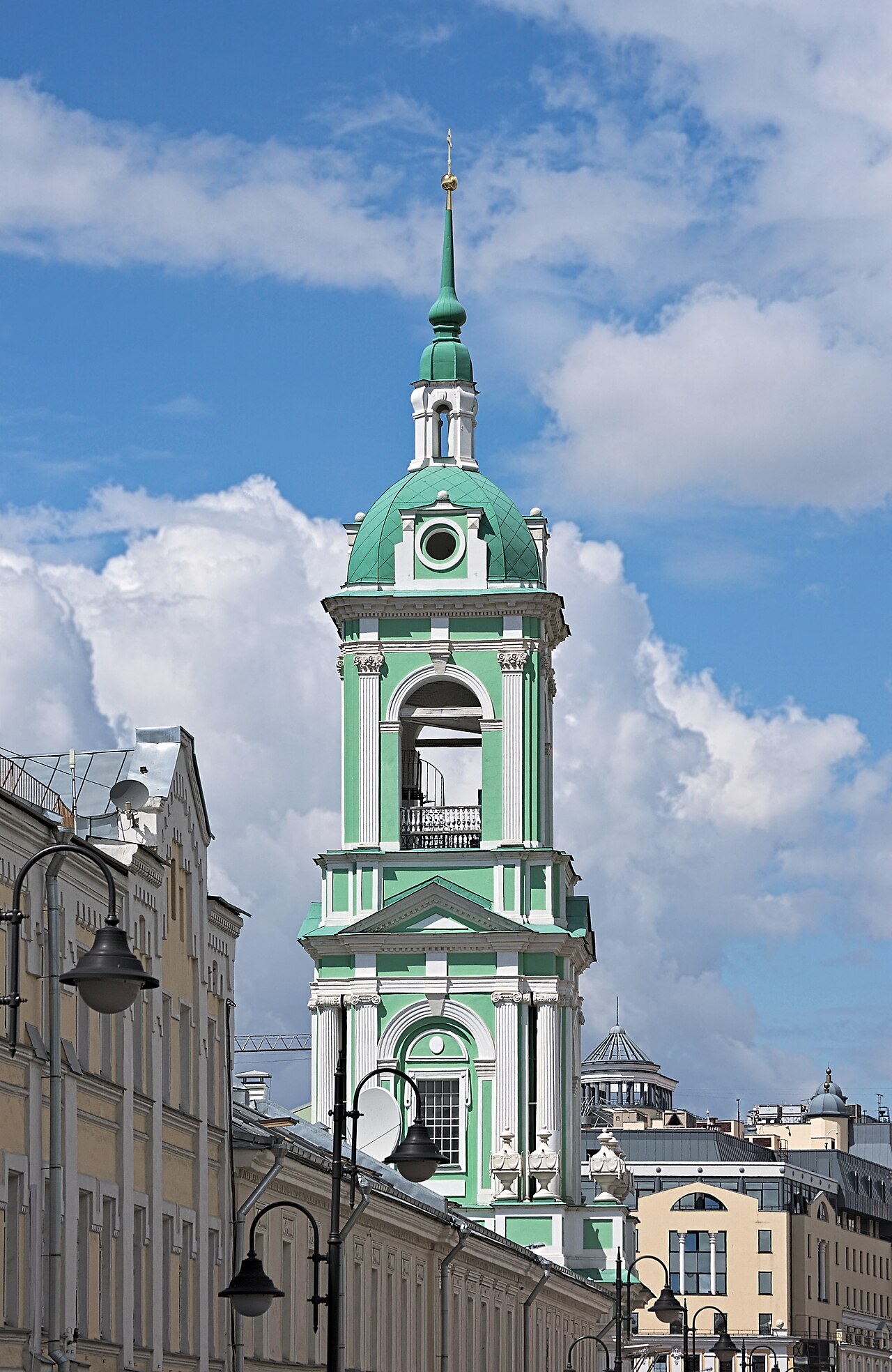
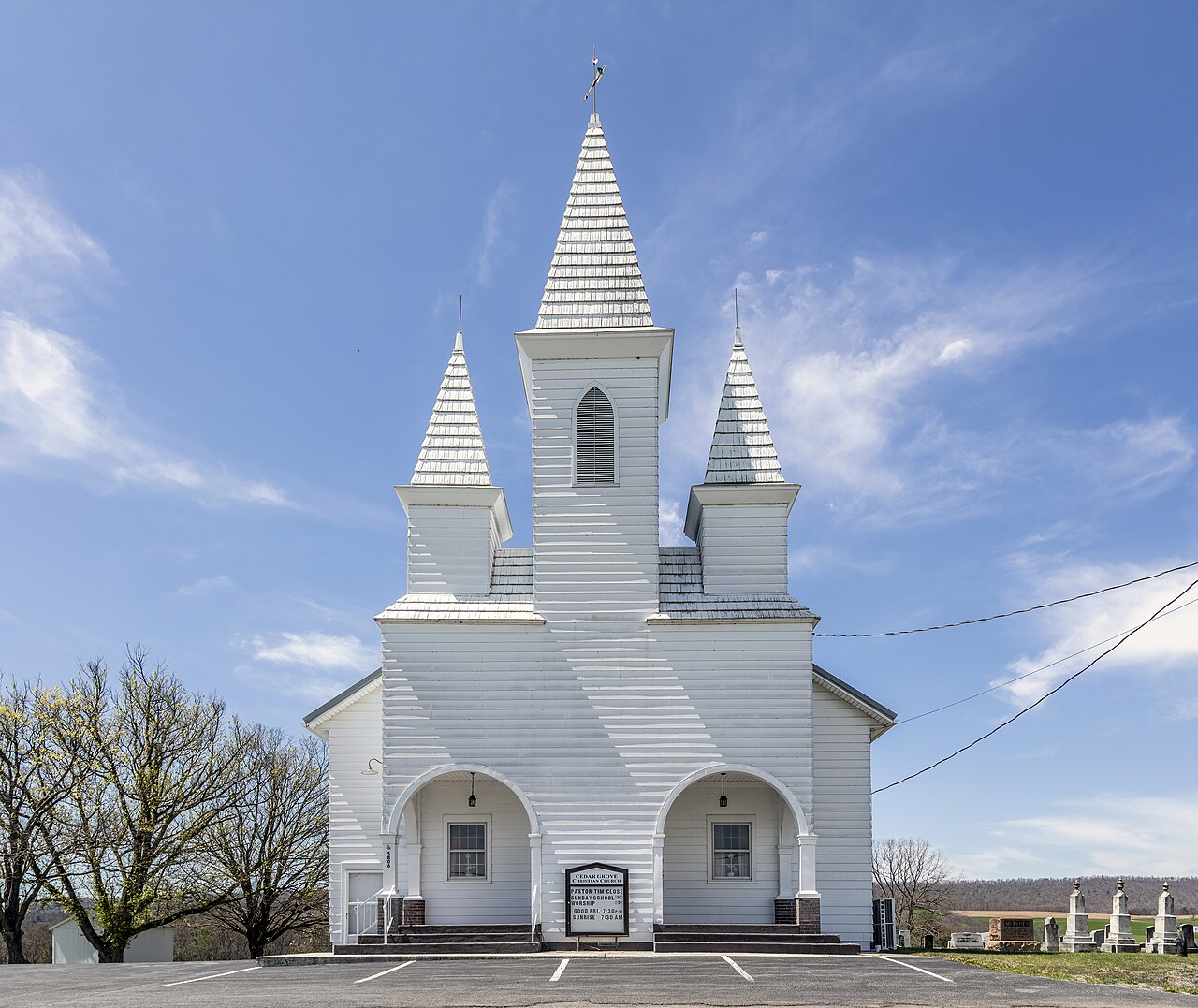
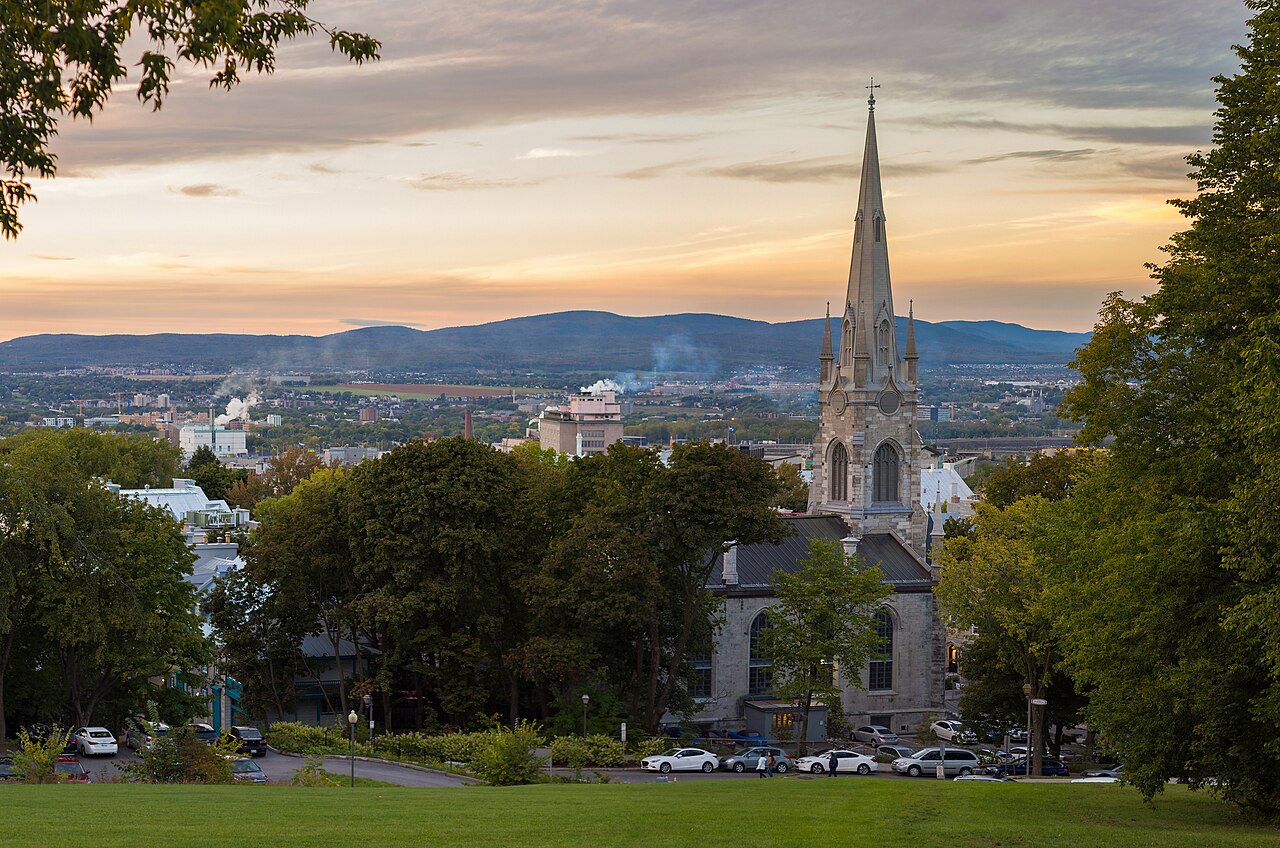
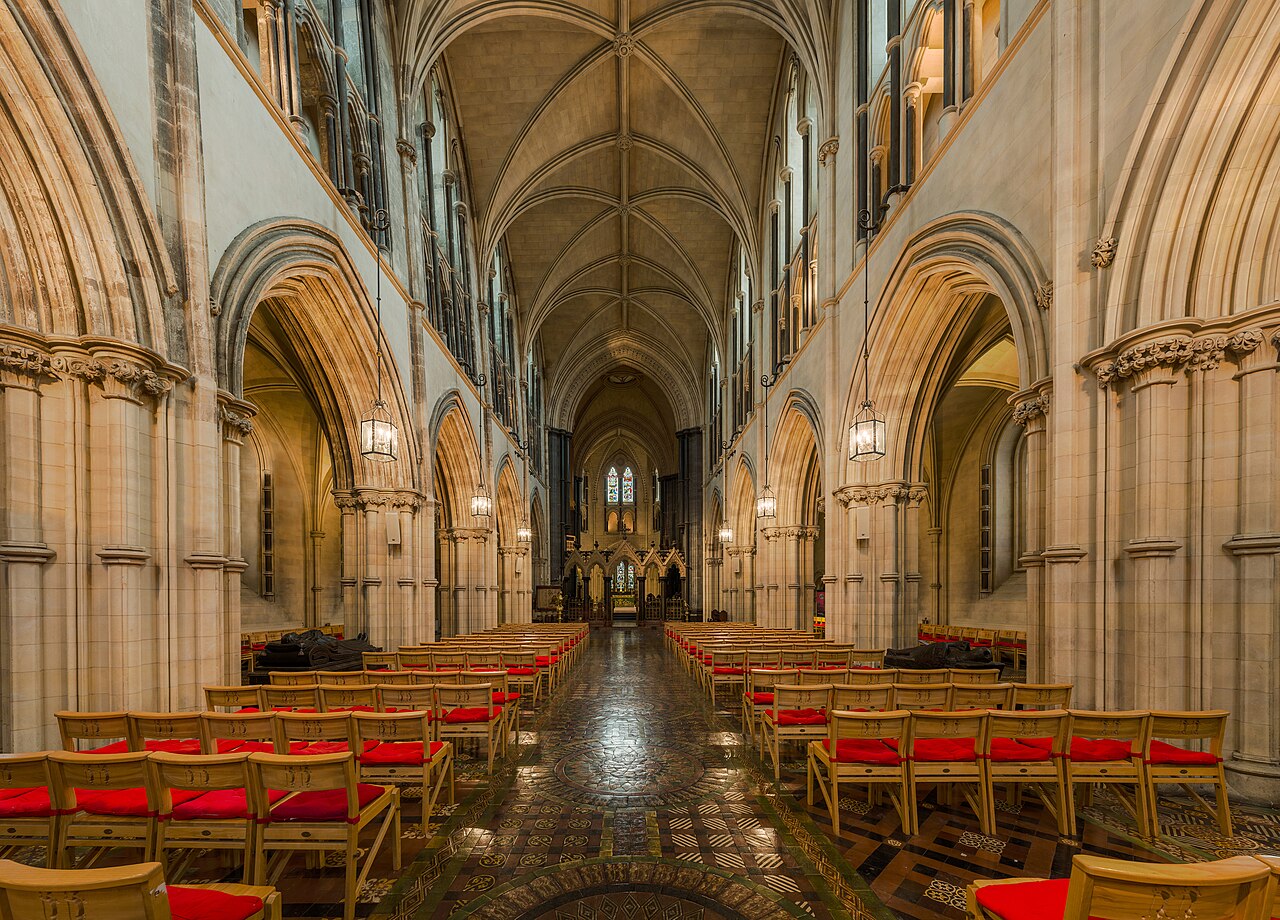
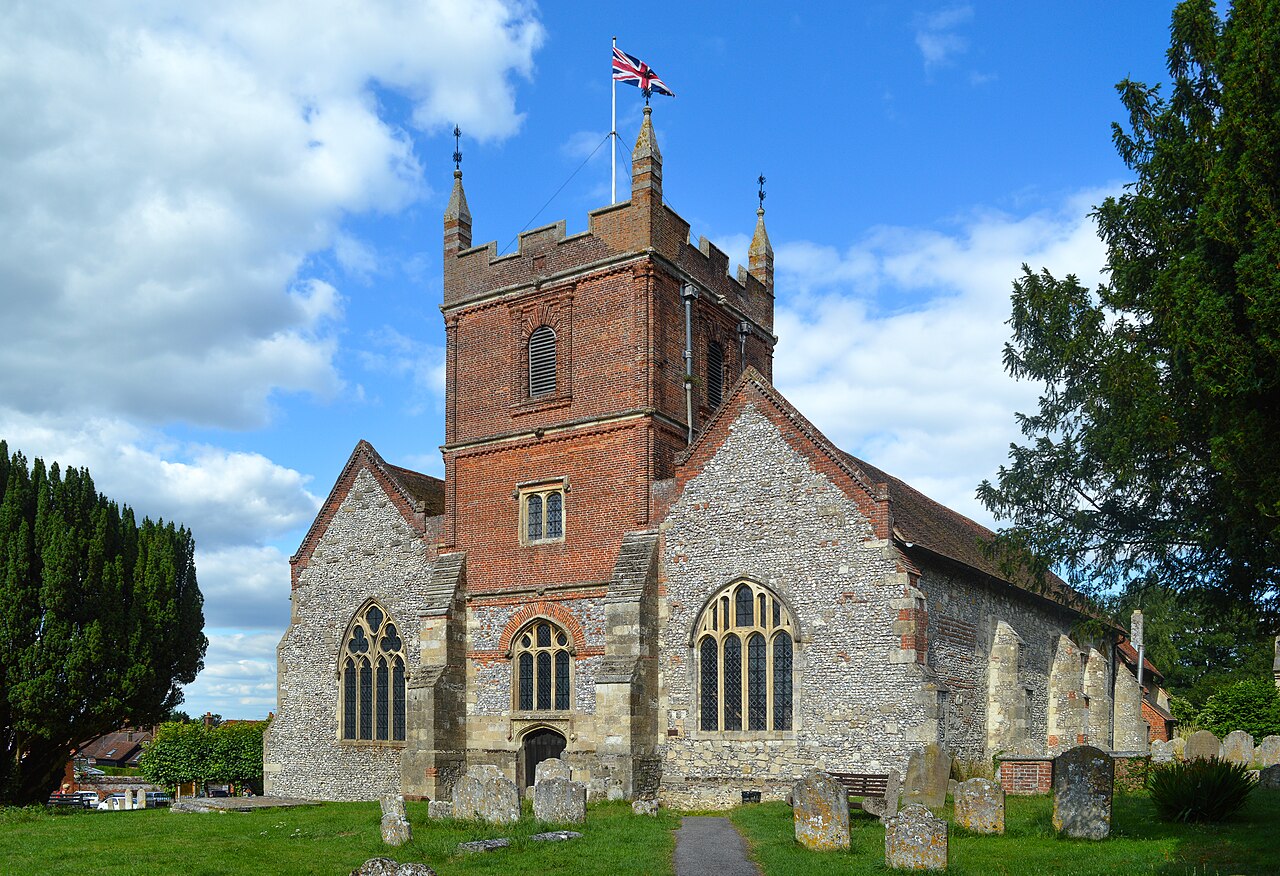
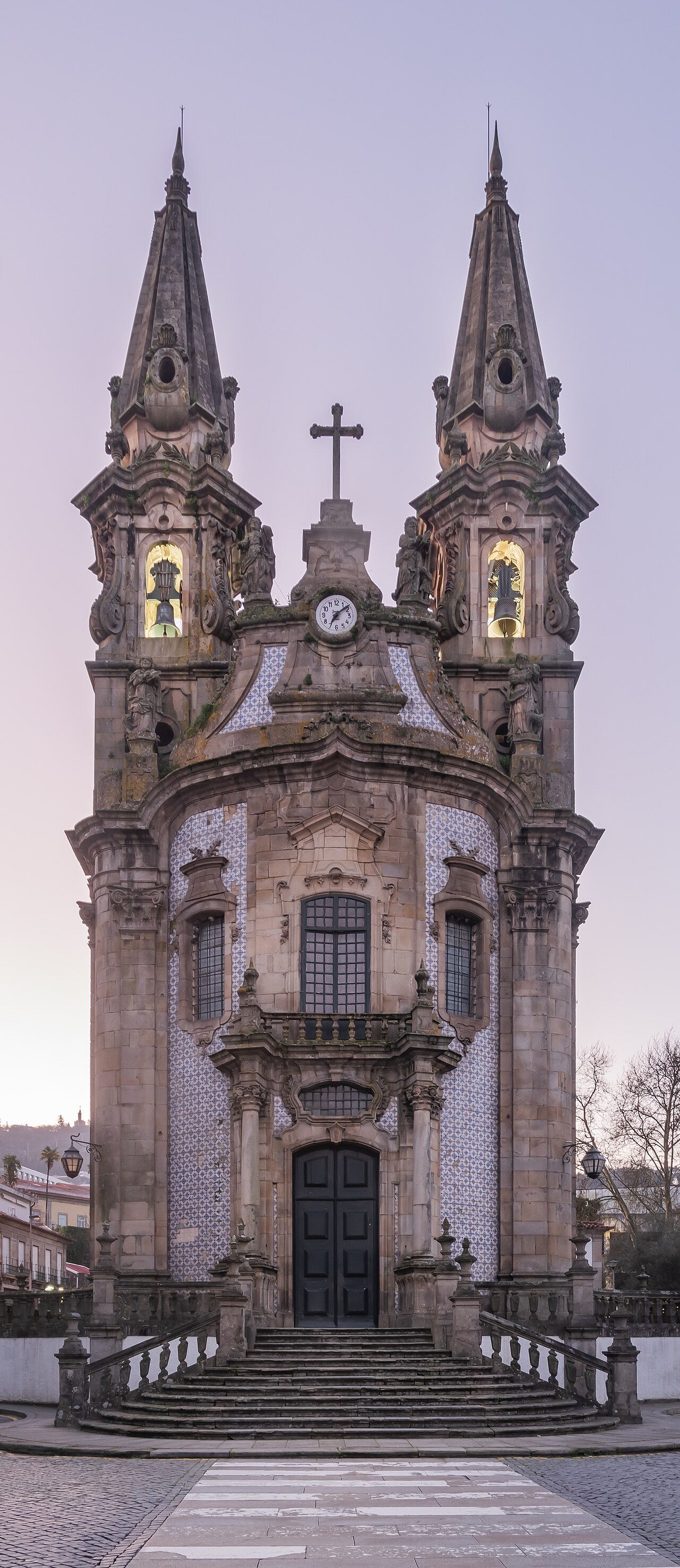
A church, church building, or church house is a building used for Christian worship services and other Christian religious activities. Church buildings have evolved through various architectural styles and are often of considerable historical, national, cultural, and architectural significance.
- etymological_origin
- Old English cirice, from Greek kyriakon doma ('the Lord's house')
- common_architectural_shape
- Christian cross (cruciform plan)
- notable_architectural_styles
- Romanesque, Gothic, Renaissance, Baroque
- wave_of_construction
- 11th to 14th centuries in Western Europe
- UNESCO_recognition
- Several churches are UNESCO World Heritage Sites
Lore & Background
The word church derives from Old English cirice, meaning 'place of assemblage set aside for Christian worship', from the Common Germanic kirika, likely borrowed via Gothic from Ancient Greek kyriakon doma, 'the Lord's (house)'. In the second half of the third century, the first purpose-built halls for Christian worship began to be constructed, though many were destroyed during the Diocletianic Persecution. Larger churches appeared under Emperor Constantine the Great.
Reader's Guide
Church buildings have served not only as places of worship but also as community gathering places for guild meetings, banquets, mystery plays, and fairs. From the 11th through the 14th centuries, a wave of cathedral and parish church construction occurred across Western Europe. Common church shapes include the cross, circle, octagon, and star. Many churches are oriented eastward, with the altar toward the sunrise, a tradition originating in Byzantium in the fourth century. Some churches have been converted from other uses, and many original church buildings have been repurposed. Several churches are listed as UNESCO World Heritage Sites.
Did You Know?
- The word church derives from Greek kyriakon doma, meaning 'the Lord's house'.
- From the 11th to the 14th century, a wave of church construction occurred in Western Europe.
- Some Gothic churches, like Cologne Cathedral, remained unfinished for centuries after the style fell out of popularity.
The Triangular Grammar of Scientology Thought
The visual language of Scientology rests heavily on a pair of conceptual triangles that L. Ron Hubbard developed to map the architecture of human experience. The ARC triangle—Affinity, Reality, and Communication—serves as what Hubbard framed as the foundation for understanding and interpersonal connection, while the KRC triangle—Knowledge, Responsibility, and Control—functions as a higher-order framework for effective action and leadership. Together, these two triangles are visually unified in the organization's most recognizable emblem: a large letter S threading through two equilateral triangles, the upper one standing for KRC and the lower for ARC. This composite mark appears across church buildings, book covers, and training materials, binding Hubbard's abstract taxonomy into a single glanceable image. Scholars of new religious movements, including Mikael Rothstein, observe that such symbols do more than decorate; they imprint on the participant, structure a believer's sense of spiritual progression, and reinforce a shared insider identity rooted in Hubbard's conceptual system. The triangles, in effect, become a visual grammar through which adherents read their own place in the doctrine.
The Eight Dynamics Rendered in Visual Form
Scientology's cosmology is organized around eight dynamics, or urges toward survival, and Hubbard gave each a distinct visual anchor. The most prominent is the Scientology cross, an eight-pointed figure resembling a Latin cross with four additional diagonal rays, one for each dynamic. The Church explicitly distances this mark from the Christian cross, noting only a visual resemblance to certain esoteric or Rosicrucian crosses. At the spiritual end of the spectrum, the Greek letter theta represents the thetan, the non-material essence of a person, a term Hubbard derived from theta plus n. Theta appears in training materials tied to the seventh dynamic, which concerns spiritual existence. At the opposite pole, the infinity symbol stands for the eighth dynamic, the urge toward existence as infinity or the Supreme Being.
The Volcano as Mythic and Marketing Engine
Few images in Scientology's iconography carry as much layered meaning as the erupting volcano. According to the writer Bent Corydon, Hubbard believed the volcano image would stimulate demand and make the books feel irresistible to potential readers. Hubbard himself instructed his marketing staff that the volcano would produce a hypnotizing effect on viewers, evoking deep memories tied to the Xenu narrative, in which the galactic ruler Xenu positioned billions of beings around Earth's volcanoes and destroyed them with nuclear bombs. Church representative Warren McShane later confirmed that the volcano imagery was indeed associated with that catastrophic event. Thus the symbol operates on two registers simultaneously: a commercial device designed to arrest attention on a bookstore shelf, and a mythic reference point that connects the reader to Scientology's foundational cosmological story.
Trademark, Hierarchy, and the Architecture of Belonging
Every official symbol in Scientology is a registered trademark held by the Religious Technology Center, and the organization frames this legal status as a spiritual safeguard. RTC states that the marks signify the authenticity of religious materials, provide a legal mechanism to ensure Hubbard's spiritual technologies are ministered according to his Scripture, and prevent distorted use of his writings, thereby ensuring the purity of the religion for all eternity. Beyond the central emblems, smaller symbols mark organizational levels and stages of engagement. The Dianetics symbol, a green-and-yellow striped triangle where green denotes growth and yellow denotes life, with four green stripes corresponding to the first four dynamics, appears on introductory books and promotional items. The Division 6 symbol, a simple triangle crossed by an infinity mark, identifies the newcomer-services section of a church. At the advanced end, the Operating Thetan symbol, an oval O enclosing a T, marks OT-level course materials and building exteriors, while those who have completed OT V may display an embellished version ringed by a wreath, a distinction prominently featured on the side of the Scientology cruise ship Freewinds.
Gallery
Frequently Asked Questions
What is a Church (building) in the context of religious practices and symbols?
A church building is a structure dedicated to Christian worship services and related religious activities. It serves as a physical space where congregations gather for prayer, sacraments, and communal gatherings.
Where does the term 'church' come from etymologically?
The word traces back to Old English 'cirice,' which itself derives from the Greek phrase 'kyriakon doma,' meaning 'the Lord's house.' This origin reflects the building's core identity as a dwelling place set apart for divine worship.
What architectural shape is most commonly associated with church buildings?
The cruciform, or Christian cross, plan is the most iconic layout for church structures. This cross-shaped floor plan symbolically mirrors the central event of the Christian faith.
Which major architectural styles have shaped church building design over the centuries?
Romanesque, Gothic, Renaissance, and Baroque styles each left a distinct mark on how churches were constructed. The great wave of church construction in Western Europe spanned roughly the 11th through 14th centuries, producing many of the most recognizable examples.
Why are church buildings considered culturally and historically significant?
Beyond their religious function, church buildings often carry deep national, cultural, and architectural heritage value. Several have earned UNESCO World Heritage Site recognition, underscoring their importance to the broader human record.
More in Religious Practices And Symbols 1-17
Spotted an error? Know more?
This is a living reference — every entry is fact-audited, and reader corrections feed straight into our audit queue. Suggest an edit · See this site's audit record