Altar
A table or platform for religious offerings and sacrifices.

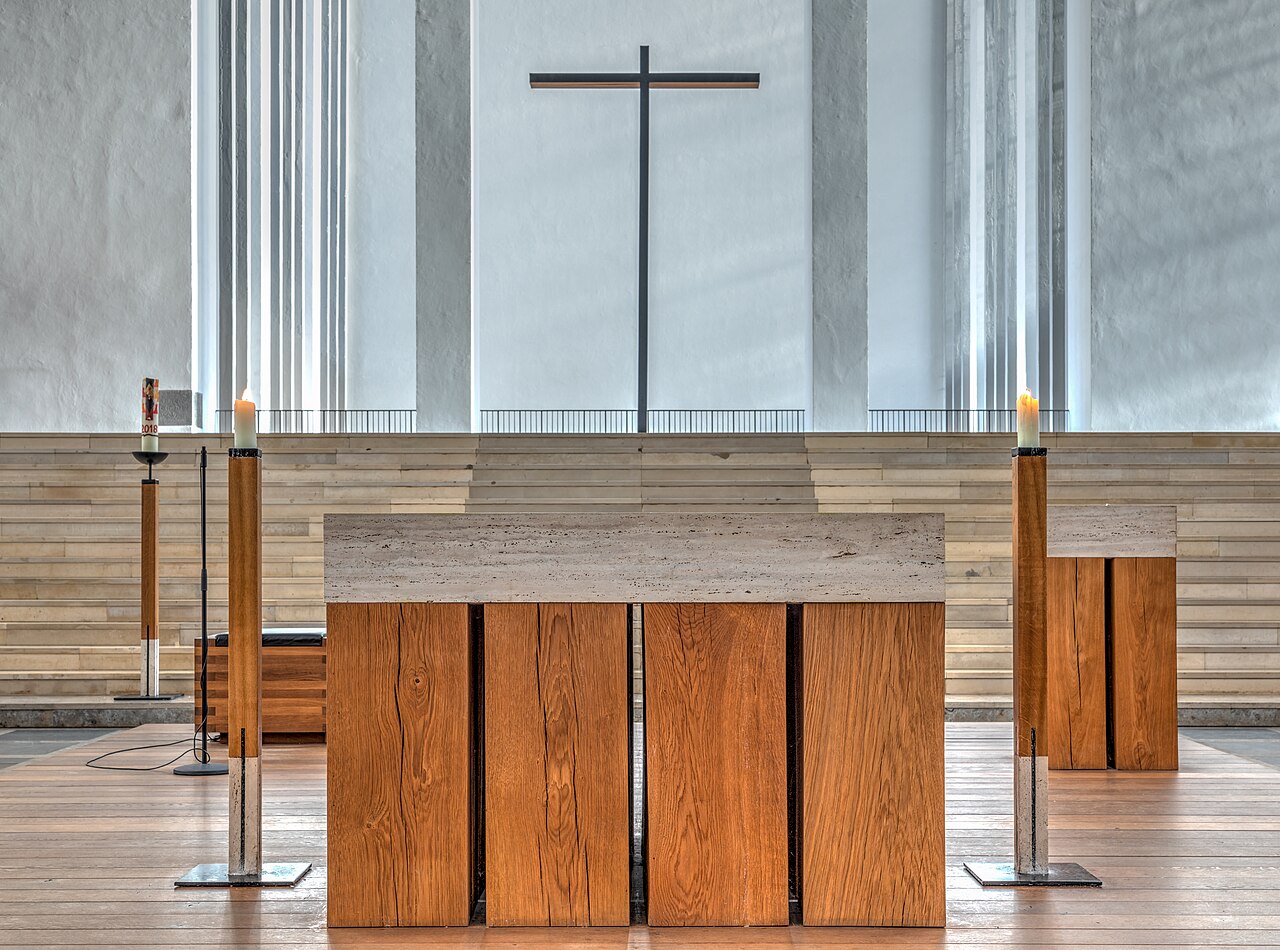
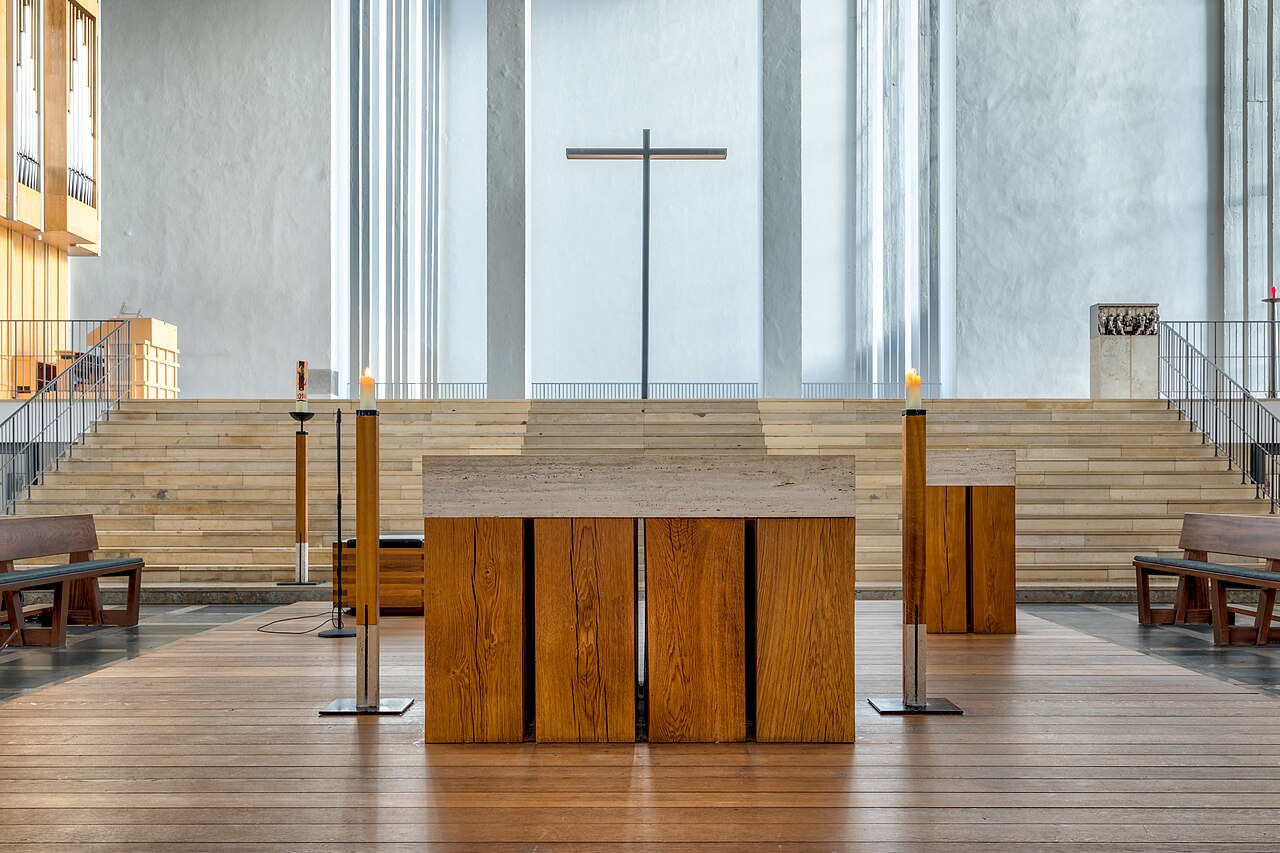
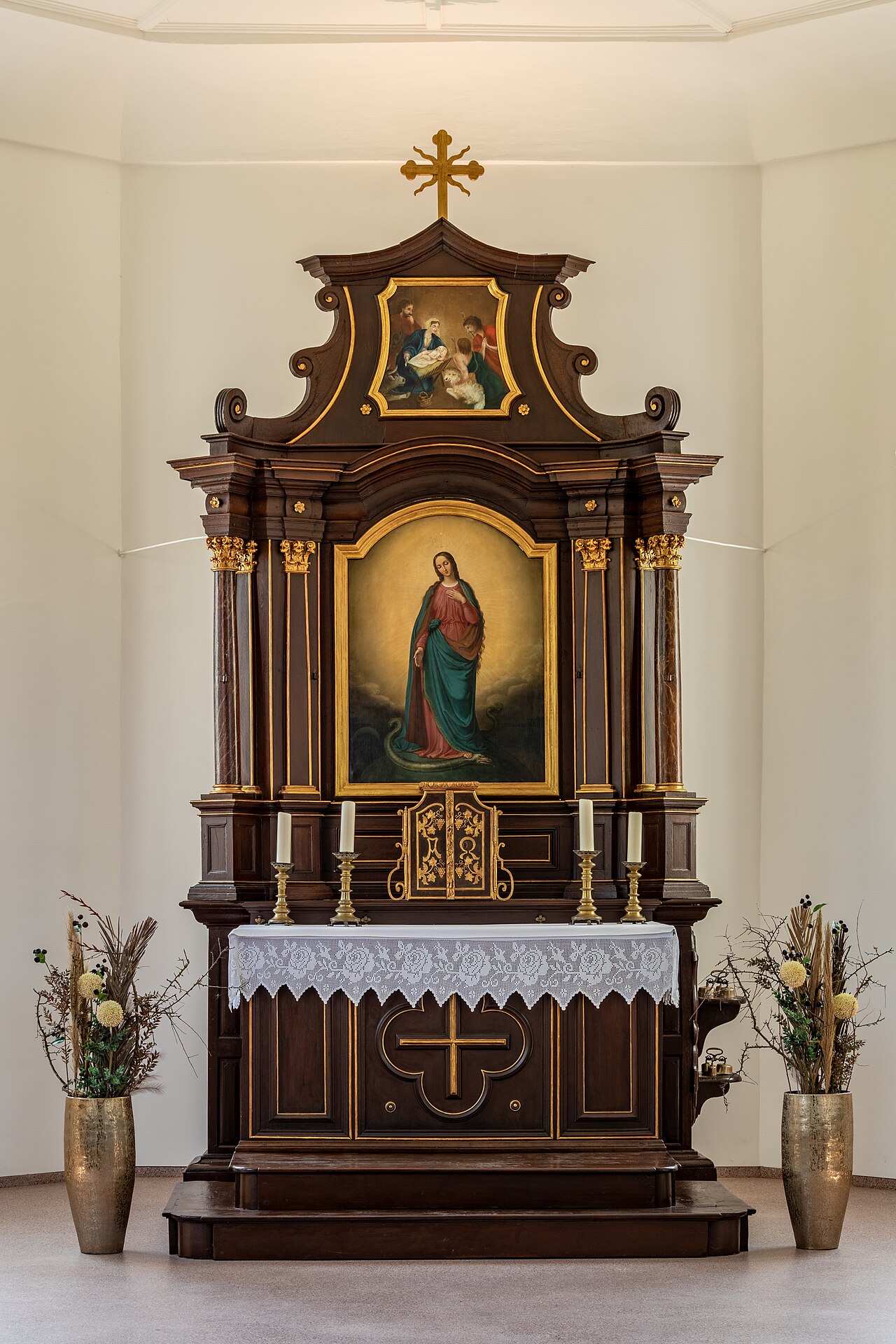
Dietmar Rabich · CC BY-SA 4.0
An altar is a table or platform used for the presentation of religious offerings, sacrifices, or other ritualistic purposes. Altars are found at shrines, temples, churches, and other places of worship, and are used particularly in Christianity, Buddhism, Hinduism, and modern paganism, as well as in historical-medieval faiths such as Roman, Greek, and Norse religions.
- etymology
- From Latin altare ('altar'), probably related to adolere ('burn') and influenced by altus ('high')
- earliest_biblical_altar
- Erected by Noah after the flood
- new_testament_mentions
- 24 appearances of the Greek word θυσιαστήριον
- key_ancient_example
- Ara Pacis, dedicated by Augustus Caesar to Pax
- types
- Fixed altars (attached to wall or free-standing) and portable altars (altar stones)
Lore & Background
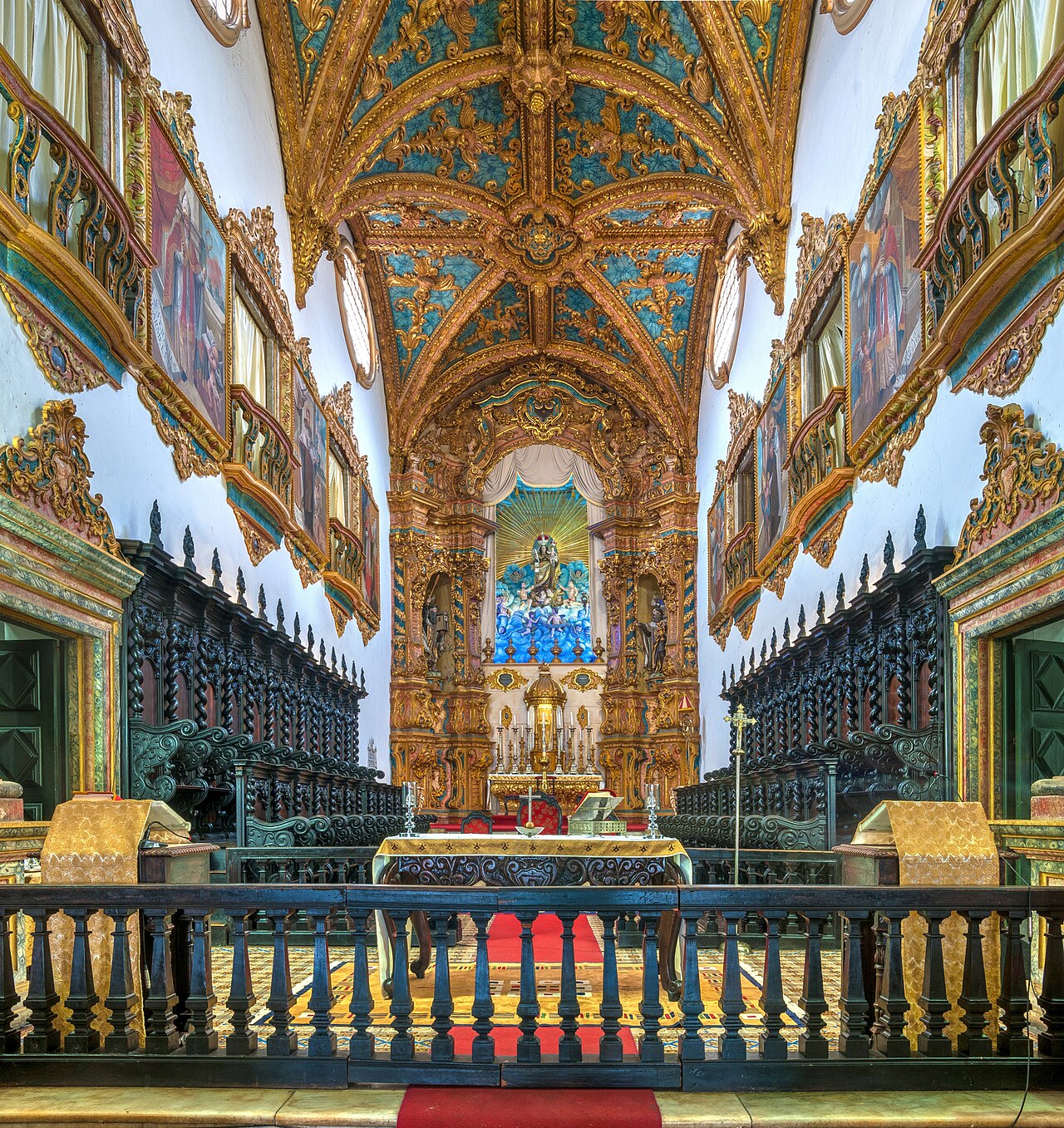
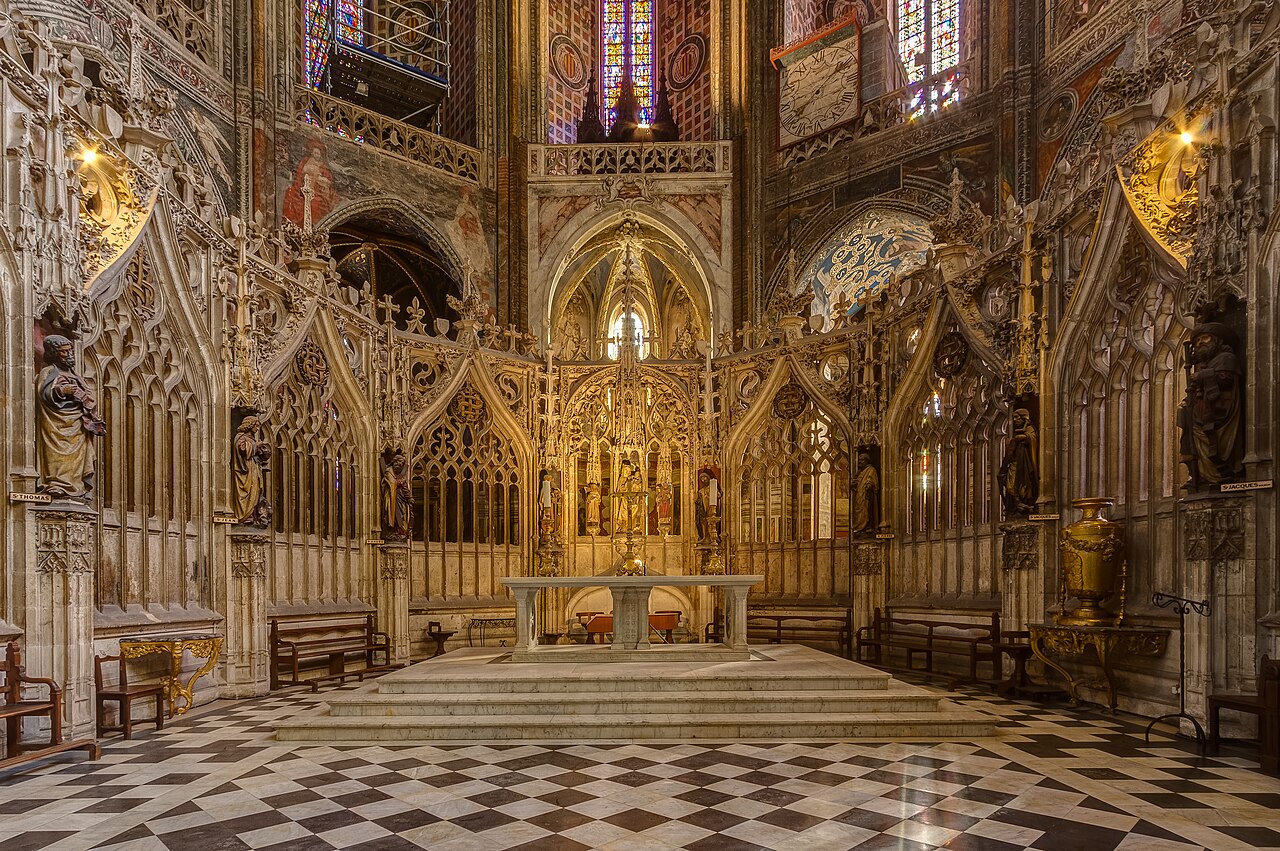
In antiquity, altars were used for making sacrifices to deities, including libations and animal sacrifice. In Ancient Roman religion, altars were often inscribed with the donor's name and the deity to whom the altar was dedicated. One of the most important surviving Roman altars is the Ara Pacis, dedicated by Augustus Caesar at the beginning of the Pax Romana to the goddess of peace, Pax. In the Hebrew Bible, altars were typically made of earth or unwrought stone and erected in conspicuous places. The first recorded altar is that erected by Noah after the flood, followed by altars built by Abraham, Isaac, Jacob, and Moses. After the theophany on Mount Sinai, only two altars were used in the Tabernacle and later the Temple: the Altar of Burnt Offering and the Altar of Incense. Remains of three rock-hewn altars have been discovered in the Land of Israel. In Christianity, the altar plays a central role in the celebration of the Eucharist, where the bread and wine for consecration are placed. The word altar appears twenty-four times in the New Testament. In Catholic and Orthodox theology, the Eucharist is a re-presentation of Christ's sacrifice, so the table for consecration is called an altar. Altars are placed in churches, outdoors, cemeteries, mausoleums, and family dwellings, including personal altars for private devotion.
Reader's Guide
The altar has been a central element in religious practice across many cultures and eras, serving as the focal point for offerings, sacrifices, and ritual. In Christianity, the altar's significance is tied to the Eucharist, which is seen as a re-presentation of Christ's sacrifice. The architectural placement and form of altars have varied: early churches often had free-standing altars in the sanctuary, while later Western churches commonly placed altars against the east wall. The Roman Missal now recommends a single free-standing main altar where possible, though side chapels with their own altars remain common. The area around the altar is often considered especially holy and is physically distinguished from the rest of the church by structures such as iconostases, rood screens, or altar rails. Portable altars, known as altar stones, allowed priests to celebrate Mass on ordinary tables when traveling. The diversity of altar forms—from the Ara Pacis in Rome to the rock-hewn altars of ancient Israel—reflects the enduring importance of this sacred platform across faiths.
Did You Know?
- The modern English word 'altar' comes from Latin altare, probably related to adolere ('burn') and influenced by altus ('high').
- The first altar recorded in the Hebrew Bible was erected by Noah after the flood.
- In the earliest churches in Rome, the sanctuary was located at the west end of the building.
- Some historians hold that during persecutions, the Eucharist was celebrated using the sarcophagi of martyrs as altars in the Catacombs of Rome.
Purpose and Sacred Function
A Wiccan altar serves as a dedicated raised structure or designated space where practitioners gather to engage in worship, prayer, and spiritual work. At its core, it functions as a focal point for honoring both the God and the Goddess, performing spellwork, and reciting chants or prayers. Beyond its ritual utility, the altar is widely regarded as a deeply personal sanctuary — a place where individuals arrange their sacred objects and religious items for use during their workings. Whether a practitioner keeps these items stored there between ceremonies or actively employs them during each rite, the altar represents a threshold between the mundane and the sacred. It is not merely a table or shelf but a consecrated zone that anchors the practitioner's devotional life, giving physical form to the spiritual practices at the heart of Wiccan faith.
Symbolic Arrangement and Elemental Mapping
The layout of a Wiccan altar follows a symbolic logic that maps divine presence onto physical space. Drawing from the guidance of author Scott Cunningham, many practitioners designate the left side as the domain of the Goddess, placing feminine or yonic objects such as bowls, chalices, and statues of the divine feminine there. The right side, by contrast, is reserved for the God, where phallic symbols like the athame and wand find their place alongside God statuary and his candle. The center of the altar is almost universally understood as the "both" or working area, where the pentacle and other core symbols of the Wiccan faith reside. While the left-right associations can shift according to personal preference, this tripartite structure remains a common framework. Additionally, some Wiccans extend the altar's symbolism to encompass all four cardinal directions and their corresponding elements: earth in the north, air in the east, fire in the south, and water in the west, creating a complete cosmological map upon the working surface.
Materials, Location, and Practical Adaptability
The physical construction of a Wiccan altar reflects both spiritual belief and practical necessity. When selecting a wooden base, practitioners often consider the magical qualities traditionally associated with different species. In some circles, oak is prized for its symbolism of great strength and is chosen to amplify the power of a rite, while other traditions hold that maple or teak carry the most potent energy. The specific wood is ultimately a matter of personal conviction, and the altar itself can range from a simple coffee table to a natural tree stump. Location is equally flexible: altars may be set up outdoors or indoors, and some Wiccans dedicate an entire room to their practice. For those sharing a living space, a temporary altar — essentially any flat, easily movable surface — offers a practical solution. More permanent altars remain in place, inviting the practitioner to return repeatedly for ongoing rites and rituals, serving as a constant anchor in daily life.
Sabbat Decoration and the Rhythm of Seasons
One of the most visually expressive aspects of Wiccan altar practice is its alignment with the eight Sabbats — the seasonal holidays that mark the cycles of nature, the mating habits of animals, and the rhythms of sowing and reaping crops. Each Sabbat calls for a specific decorative theme, transforming the altar into a living representation of the current time of year. For instance, during the Summer Solstice, the altar cloth is traditionally set in white, and the surface is adorned with summer flowers, seasonal fruits, and other objects that evoke the peak of the growing season. This principle extends to every one of the eight holidays, with each carrying its own color palette and symbolic imagery. While particular Wiccan traditions may prescribe different colors or arrangements, the universal thread is that the altar is always dressed to mirror the season, grounding the practitioner's spiritual work in the observable, turning world of nature.
Gallery
Frequently Asked Questions
What is an altar?
An altar is a raised surface—typically a table or platform—where worshippers place offerings, perform sacrifices, or carry out other ritual acts. You encounter them in churches, temples, shrines, and other sacred spaces across many faith traditions.
Where does the word 'altar' come from?
The term traces back to the Latin altare, which likely connects to adolere (meaning 'to burn') and was shaped by altus (meaning 'high'). This etymology reflects both the sacrificial fire and the elevated position of the structure.
Which religious traditions use altars?
Altars appear prominently in Christianity, Buddhism, Hinduism, and modern pagan practice, as well as in ancient faiths such as those of Rome, Greece, and Norse culture. In each of these systems they serve as the focal point for ritual offerings.
What are the main types of altars?
Altars generally fall into two categories: fixed ones that are either wall-mounted or free-standing, and portable ones sometimes called altar stones. The fixed variety remains in a permanent worship location, while the portable kind can be relocated as circumstances require.
What is the earliest biblical mention of an altar?
The first altar referenced in the Bible was erected by Noah following the great flood. In the New Testament the Greek word θυσιαστήριον appears 24 times, underscoring how central the concept remained in later Christian scripture.
More in Religious Practices And Symbols 1-17
Spotted an error? Know more?
This is a living reference — every entry is fact-audited, and reader corrections feed straight into our audit queue. Suggest an edit · See this site's audit record