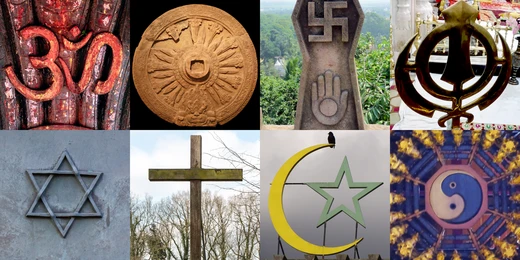
Cemetery
A designated place for burying or entombing the dead.

Pudelek · CC BY-SA 4.0
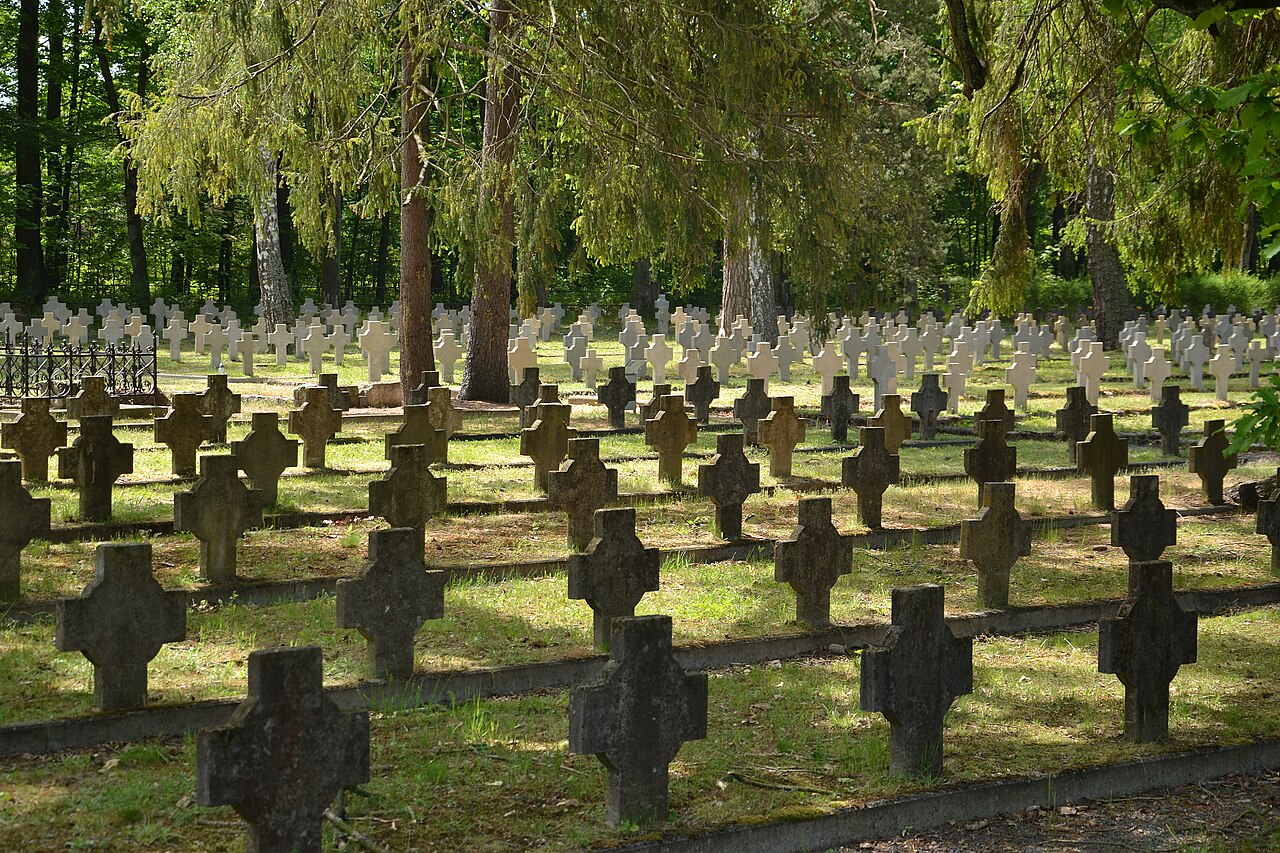
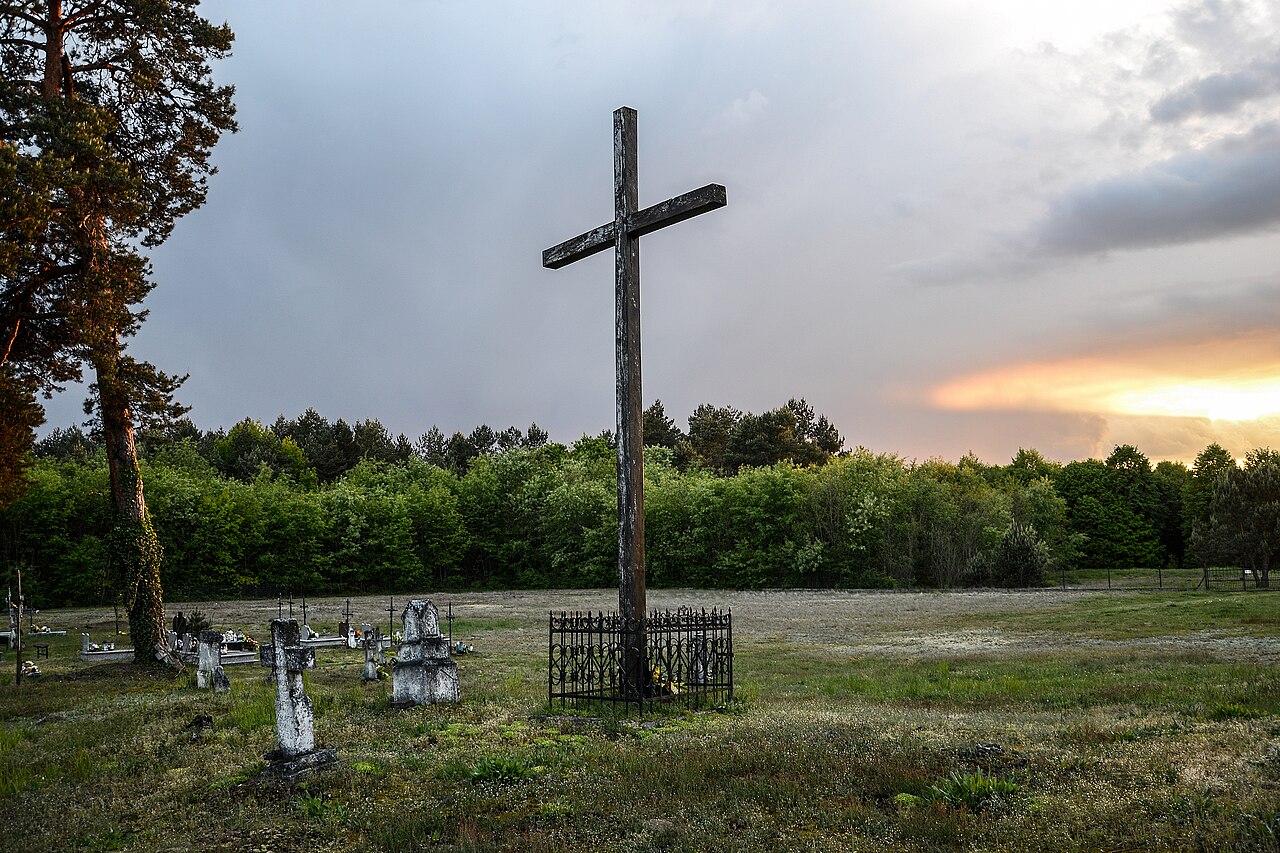
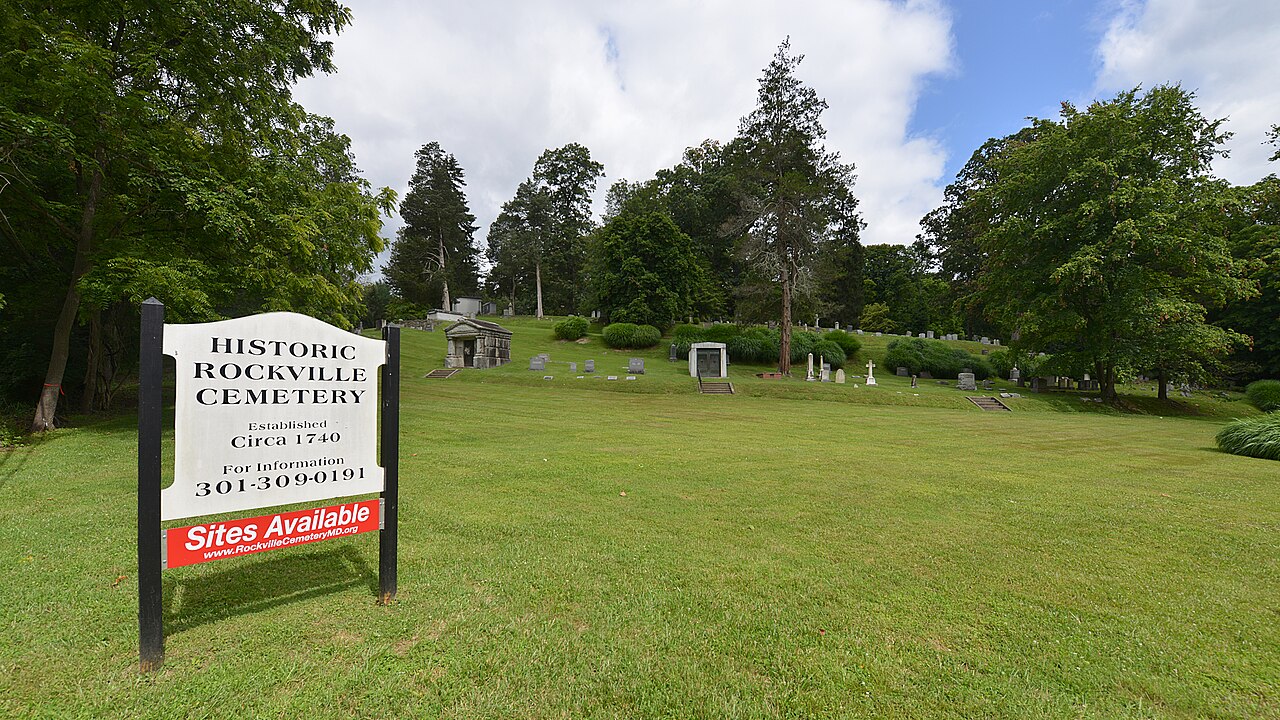
A cemetery, burial ground, gravesite, graveyard, or memorial park is a place where the remains of many dead people are buried or entombed. The word cemetery comes from the Greek κοιμητήριον, meaning 'sleeping place,' and originally applied to the Roman catacombs. Cemeteries are key sources of information on ancient and prehistoric cultures, with many archaeological cultures defined by their burial customs.
- early_medieval_period
- 5th–8th centuries CE, reopening of graves common in Western and Central Europe
- shift_to_municipal_cemeteries
- Early 19th century, driven by population growth and public health concerns
- notable_early_landscape_cemetery
- Père Lachaise, Paris
Lore & Background
Neolithic cemeteries, sometimes called 'grave fields,' are a chief source of information on ancient cultures, such as the Urnfield culture of the European Bronze Age. During the Early Middle Ages, reopening graves and manipulating corpses or artifacts was widespread across Western and Central Europe, especially from the 5th to 8th centuries CE.
Reader's Guide
Cemeteries have evolved from ancient burial grounds to modern landscaped memorial parks. In the Early Middle Ages, individualized Roman funerary inscriptions declined, and most tombs became anonymous. From about the 7th century CE, European burial fell under Church control, with mass graves and ossuaries common. The early 19th century saw a shift away from churchyards due to population growth, disease outbreaks, and limited space, leading to municipal cemeteries like Père Lachaise in Paris and the Magnificent Seven in London. In the United States, rural cemeteries served as recreational areas before public parks.
Did You Know?
- The word 'cemetery' comes from the Greek κοιμητήριον, meaning 'sleeping place,' and originally applied to the Roman catacombs.
- During the Early Middle Ages, reopening graves and manipulating corpses was a common practice across Western and Central Europe.
- The Catacombs of Paris hold the bones of an estimated six million people, transferred from graveyards in the 18th century.
Gallery
Frequently Asked Questions
What is a cemetery?
A cemetery is a designated area where the remains of deceased individuals are interred or placed in tombs. It also goes by names such as graveyard, burial ground, gravesite, or memorial park.
Where does the word 'cemetery' come from?
The term derives from the Greek 'koimētērion,' which translates to 'sleeping place.' It was initially used to describe the underground Roman catacombs before broadening to cover any burial site.
Why are cemeteries important to archaeology?
Burial grounds provide some of the most direct evidence about ancient and prehistoric societies. Many archaeological cultures are actually defined and distinguished by their specific burial customs.
When and why did municipal cemeteries become the norm?
During the early 19th century, rising urban populations and public health concerns pushed communities toward city-managed burial grounds. This followed the early medieval period (5th–8th centuries CE), when reopening graves for multiple burials was standard practice across Western and Central Europe.
What is a notable early landscape cemetery?
Père Lachaise in Paris is widely cited as a landmark early example of a designed, park-like burial ground. It represents the broader shift toward aesthetically planned spaces for the dead rather than simple open plots.
More in Religious Practices And Symbols 1-17
Spotted an error? Know more?
This is a living reference — every entry is fact-audited, and reader corrections feed straight into our audit queue. Suggest an edit · See this site's audit record