Cremation
A method of corpse disposal through burning, ancient and modern.

TobyEditor · CC BY 4.0
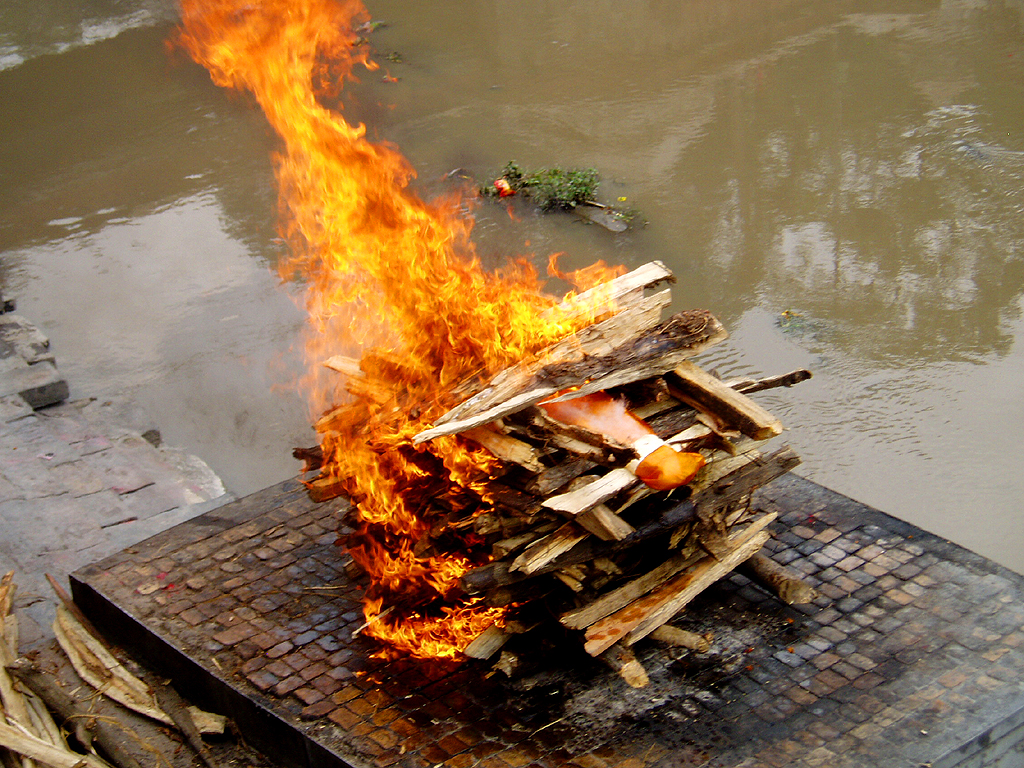
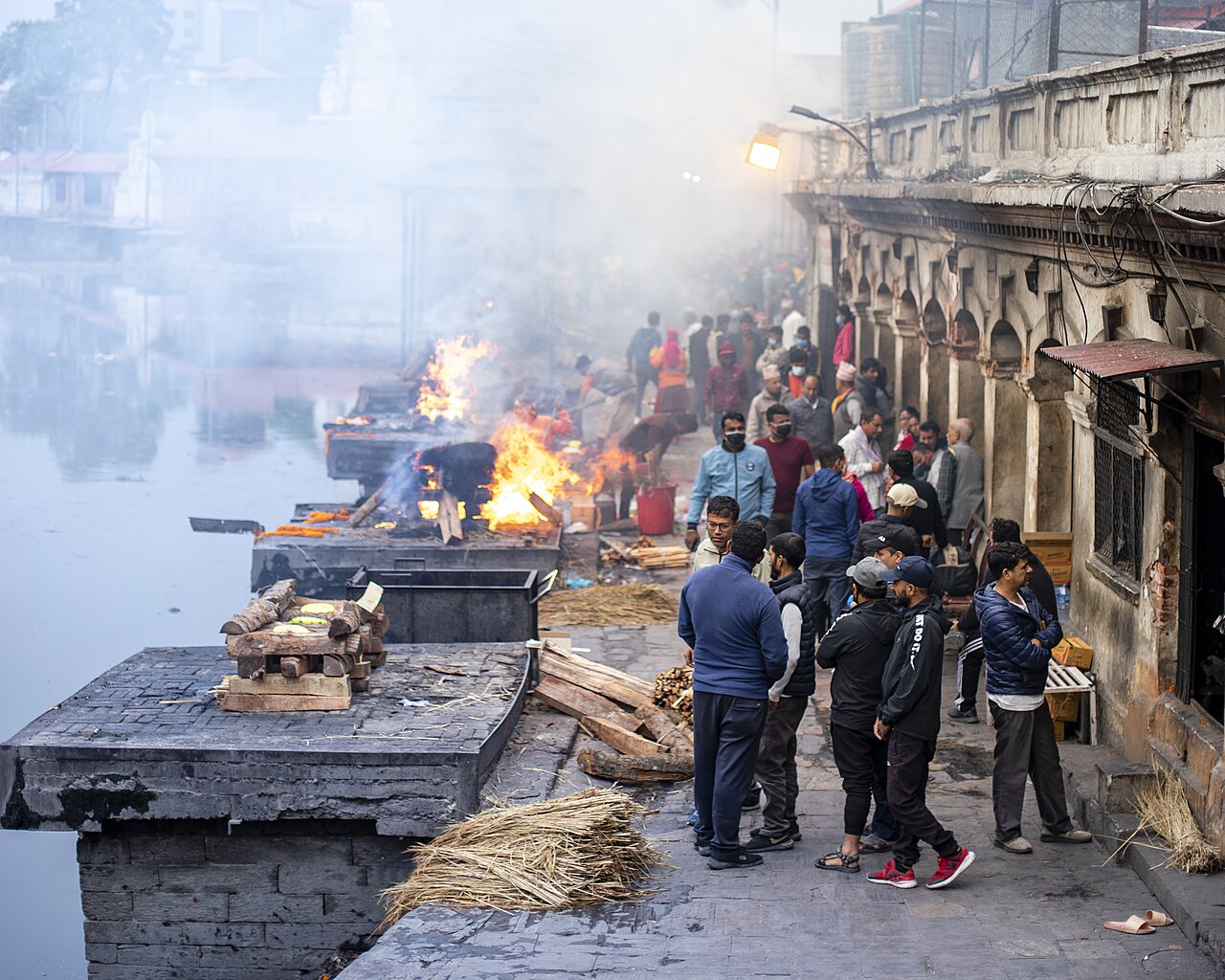
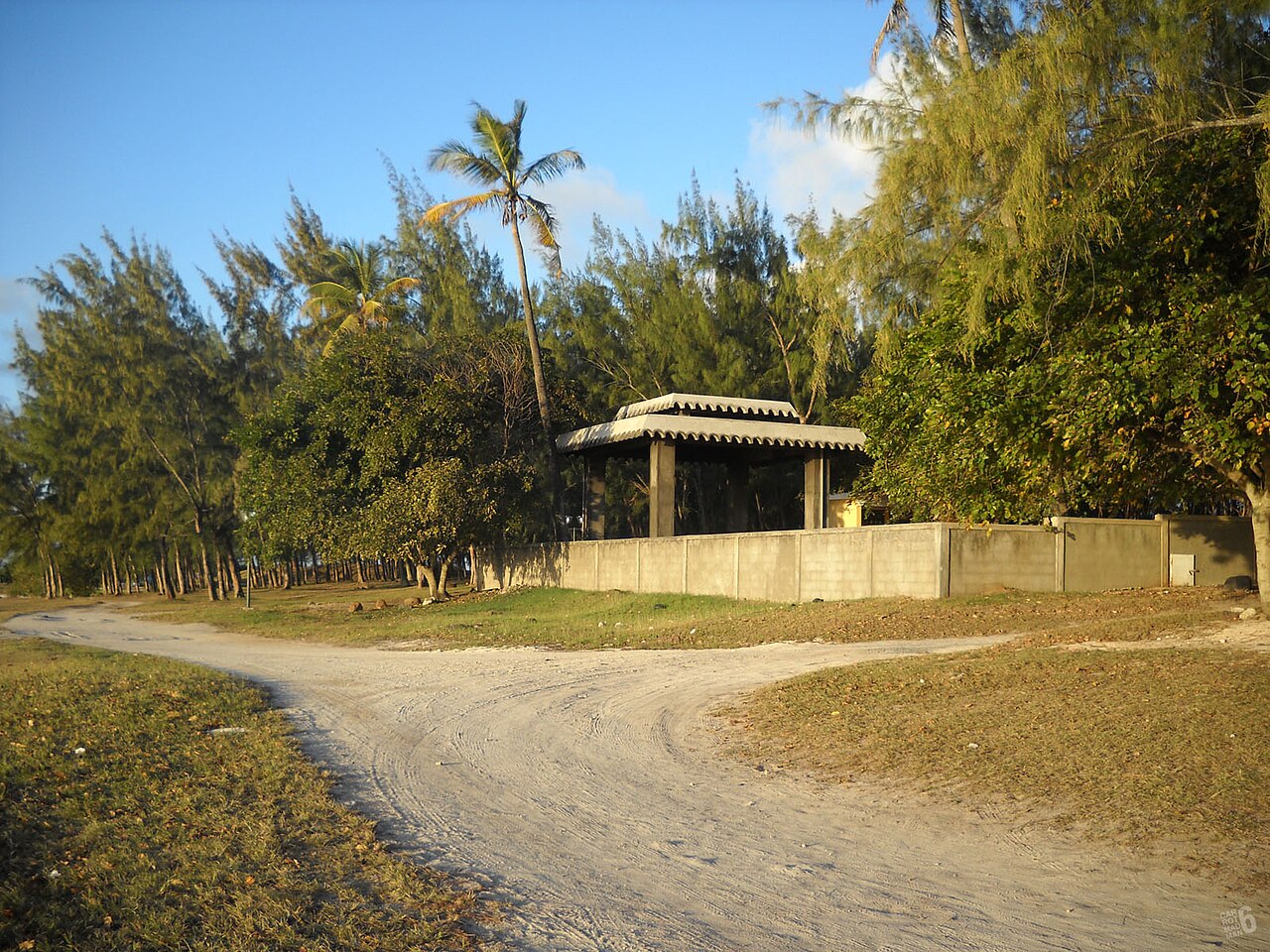
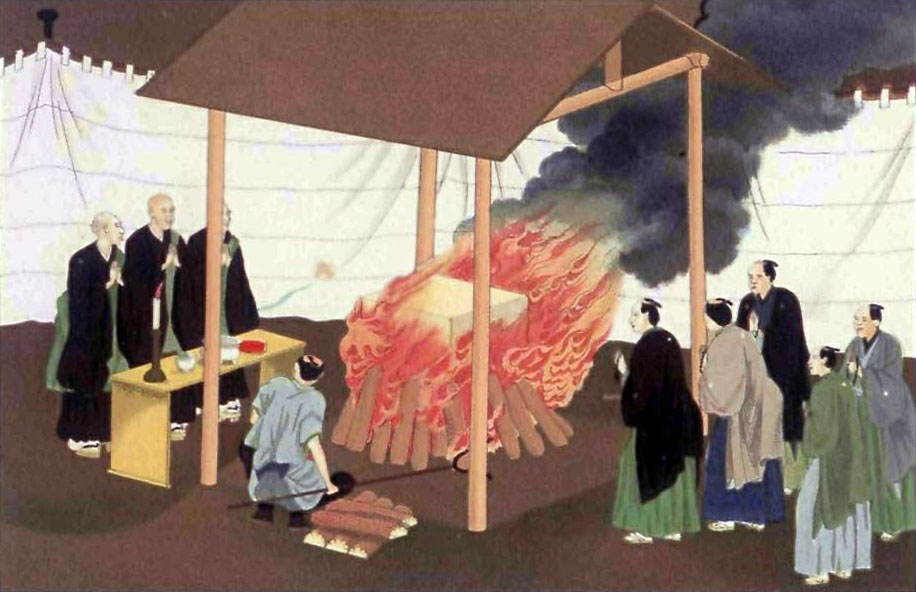
Cremation is a method of final disposition of a corpse through burning. It may serve as a funeral or post-funeral rite and as an alternative to burial. In some countries, including India and Nepal, cremation on an open-air pyre is an ancient tradition. Starting in the 19th century, cremation was introduced or reintroduced into other parts of the world. In modern times, cremation is commonly carried out with a closed furnace (cremator), at a crematorium.
- earliest_known_example
- Mungo Lady, Lake Mungo, Australia
- first_crematorium_in_United_Kingdom
- Woking
- average_remains_weight
- 2.4 kg (5.3 lb)
- key_technical_innovation
- regenerative furnace by Sir Charles William Siemens
Lore & Background
In the Middle East and Europe, both burial and cremation are evident in the Neolithic era. The ancient Egyptians developed an intricate transmigration-of-soul theology, which prohibited cremation. In Rome's earliest history, both inhumation and cremation were in common use; around the mid-Republic, inhumation was almost exclusively replaced by cremation, which remained common until the middle of the Empire, when it was almost entirely replaced by inhumation. In Europe, cremation dates to the Early Bronze Age (c. Hinduism and Jainism are notable for not only allowing but prescribing cremation, first attested in the Cemetery H culture (from c. The rise of Christianity saw an end to cremation in Europe, though it may have already been in decline. In parts of Europe, cremation was forbidden by law, and even punishable by death if combined with Heathen rites. A movement to reintroduce cremation in Europe began in the 1870s, driven by new furnace technology and contact with eastern cultures.
Reader's Guide
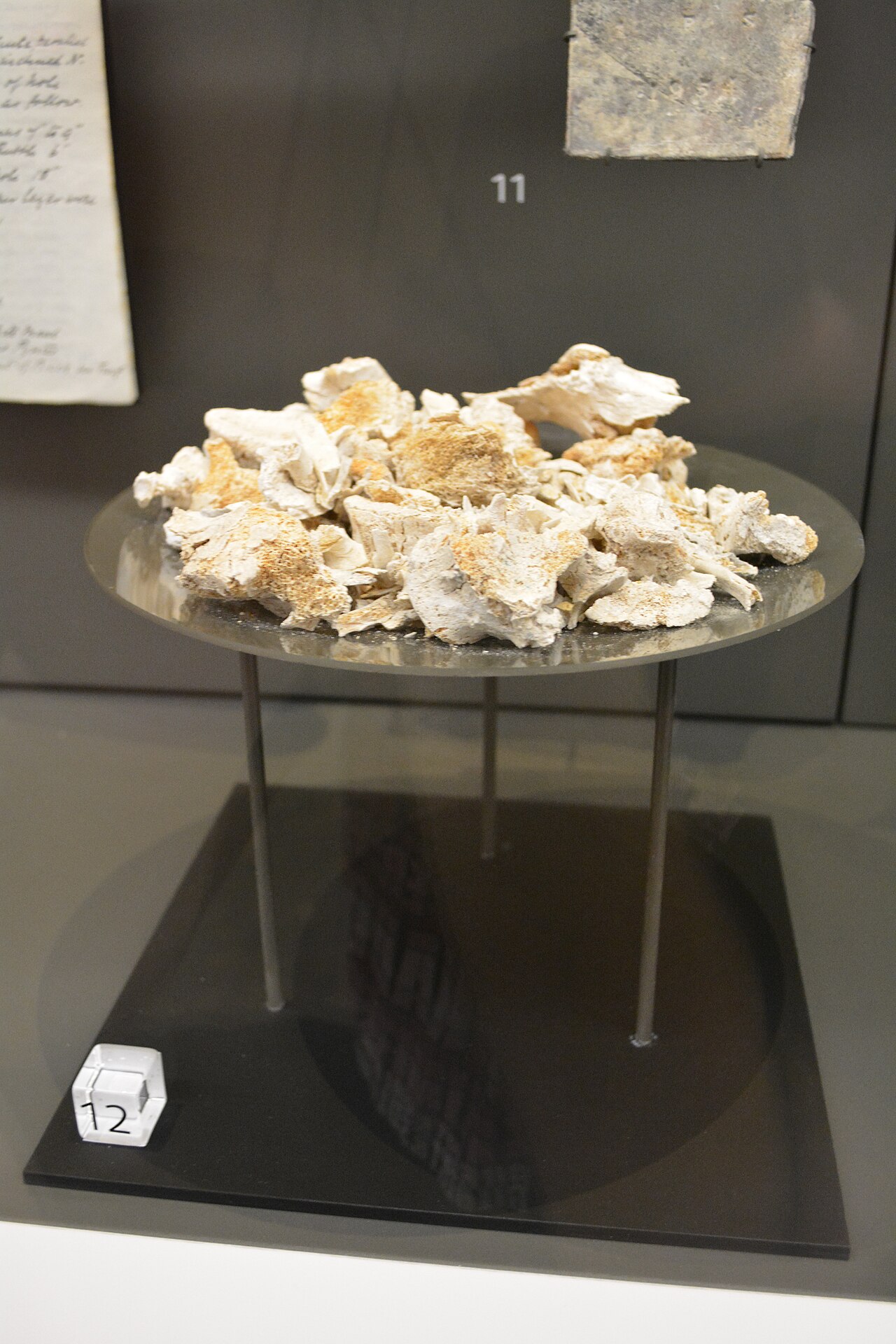
Cremation has been a recurring method of body disposal across many cultures and eras, with periods of preference and prohibition. Its significance lies in its role as an alternative to burial, often tied to religious, sanitary, or practical concerns. The reintroduction of cremation in the 19th century was made possible by the invention of the regenerative furnace, which allowed efficient and complete incineration. This technological breakthrough, combined with growing concerns about hygiene and disease (miasma theory), led to the establishment of crematoria in Europe and beyond. The movement was associated with secularism and anti-clericalism in some countries, but not all. Cremation remains a common practice today, with remains (ashes or cremains) being buried, interred, retained, or scattered. The practice has been both prescribed (as in Hinduism and Jainism) and forbidden (as in ancient Egypt and early Christian Europe), reflecting deep cultural and religious values. The historical record shows that cremation and burial have coexisted and alternated in preference over millennia, with no single method dominating permanently.
Did You Know?
- The regenerative furnace, developed by Sir Charles William Siemens, made industrial cremation practical.
Echoes from the Deep Past
The evidence that humans and their close relatives have long treated death with deliberate ceremony stretches back an astonishing distance. Archaeologists have uncovered Neanderthal remains at sites including Shanidar Cave in Iraq and Pontnewydd Cave in Wales, as well as other locations across Europe and the Near East, where skeletons rest beneath a distinctive layer of flower pollen. Scholars have interpreted the careful placement of flowers as a sign of early religious belief, though the reading carries an important caveat: burrowing rodents may have introduced the pollen after the fact. What remains clear is that the dead were apparently interred deliberately, and that this act of reverence represents one of the oldest documented human behaviors connected to the final disposition of a body.
The Architecture of Grief: Five Anchors
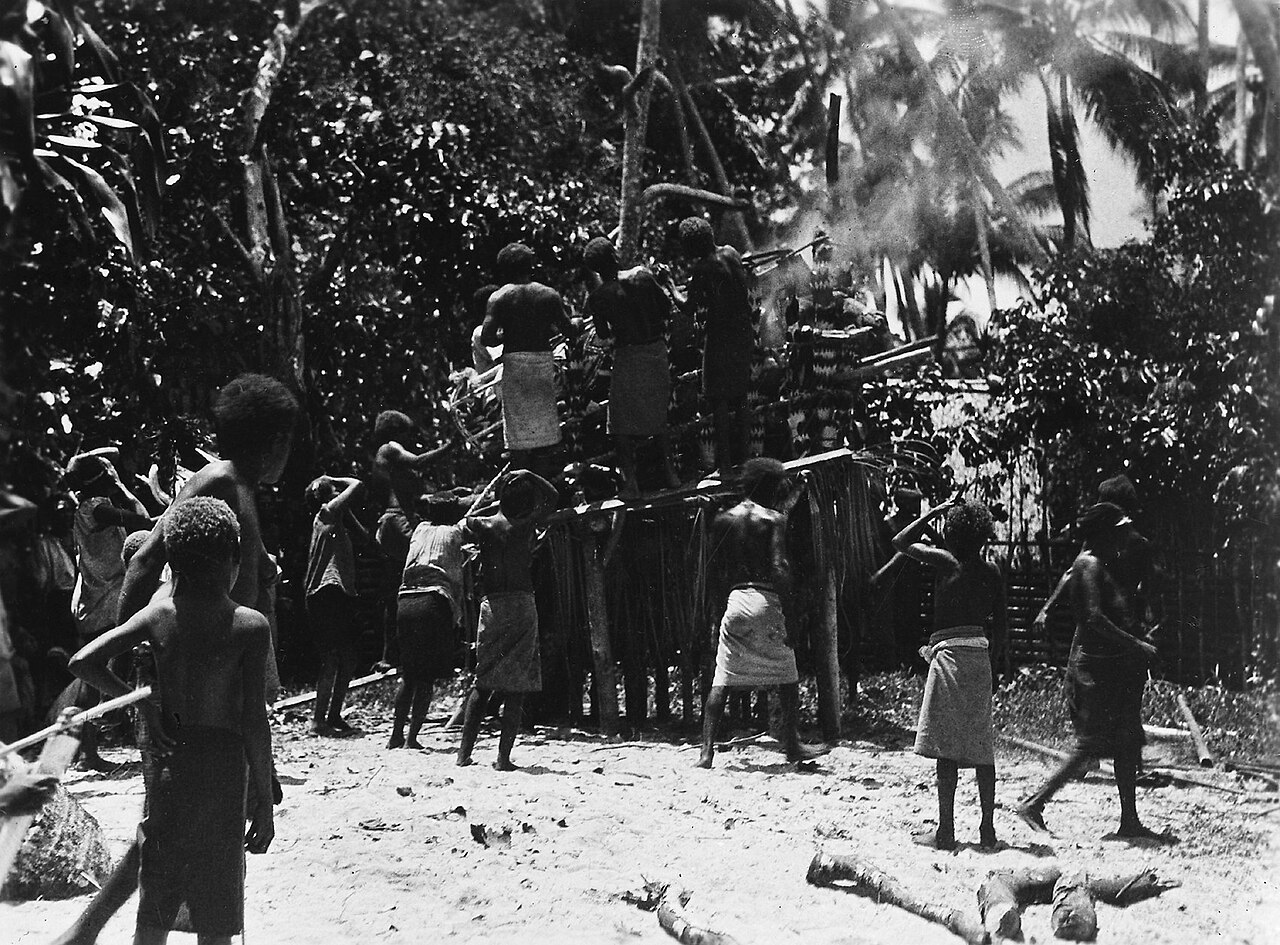
Despite the enormous variety of funeral practices across the world's cultures, researchers have identified a remarkably consistent underlying structure. Funeral customs function as a highly predictable and stable force within communities, and they tend to revolve around five recurring elements: significant symbols that give the event meaning, a gathered community that witnesses the rite, specific ritual actions that mark the occasion, the transmission of cultural heritage from one generation to the next, and the physical transition of the corpse itself. That final element can take radically different forms depending on a culture's beliefs about cleanliness and the relationship between body and soul. Some traditions emphasize destruction of the physical form—through cremation, sky burial, natural decomposition, disintegration, or dissolution—while others prioritize preservation, as in mummification. Whether the body is consumed by fire or sealed in resin, the underlying purpose remains the same: to guide the dead through a recognized threshold and to give the living a structured way to process loss.
Faith and the Final Rite
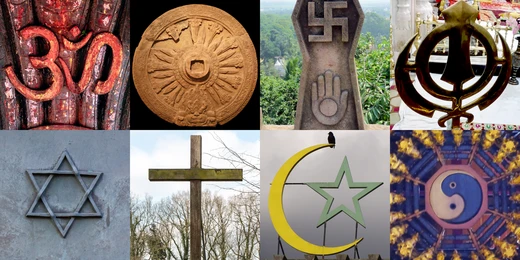
Religious traditions offer strikingly different prescriptions for what happens to a body after death. In the Bahá'í Faith, cremation is explicitly forbidden; the body must be wrapped in silk or cotton, a ring bearing a specific inscription is placed on a finger, and the coffin must be fashioned from crystal, stone, or fine hard wood. The deceased is positioned with feet facing the Qiblih, and a formal prayer is recited before interment. Buddhist traditions, by contrast, often embrace cremation as the preferred method, and in Tibetan practice the body may be offered to vultures in a sky burial performed by specialized body breakers called rogyapas. Notably, crying is discouraged during this ritual, and the practitioners are expected to maintain a lighthearted mood, believed to aid the soul's journey toward a better rebirth. Christian communities have historically favored burial over cremation, rooted in the doctrine of bodily resurrection, though cremation has grown increasingly common in recent decades, with some denominations still maintaining prohibitions.
Where and How: The Practical Framework
The setting of a funeral is as varied as the beliefs it expresses. The most common venues are houses of worship—churches, synagogues, and similar congregational spaces—or dedicated funeral homes. Cemeteries often provide chapels that offer a quiet, respectful atmosphere for clergy and mourning families, while mausoleum chapels typically serve the specific purpose of entombment following the main service. When cremation follows the ceremony, the service takes place in a crematorium. Beyond the physical location, funerals carry both normative and legal dimensions. Their motivations range from the secular—mourning the deceased, celebrating a life lived, and offering sympathy to the bereaved—to the explicitly spiritual, where rites are designed to assist the soul toward an afterlife, resurrection, or reincarnation. The very word "funeral" descends from the Latin funus, a term that encompassed both the corpse and the rites performed in its honor. Funerary art, including tombs and objects created specifically for burial, extends this tradition of remembrance into the visual and material realm.
Gallery
Frequently Asked Questions
What is cremation and what role does it play in religious practice?
Cremation is the practice of reducing a body to ash through controlled burning, serving as either the funeral rite itself or a post-funeral disposition. It stands as a widely recognized alternative to burial across many cultures.
What is the earliest known example of cremation in the archaeological record?
The oldest identified case is the remains of the Mungo Lady, recovered from Lake Mungo in Australia. Her skeleton bears clear signs of having been exposed to fire after death.
How is cremation practiced in India and Nepal?
In both countries, laying the deceased on an open-air funeral pyre is an ancient and deeply rooted tradition. This form of the rite predates modern enclosed cremation by millennia.
How did modern cremation technology evolve in the 19th century?
Cremation was introduced or reintroduced across much of the world during the 1800s, moving from open pyres to purpose-built crematoriums with closed furnaces. A key engineering breakthrough was Sir Charles William Siemens' regenerative furnace, which made the process significantly more efficient.
Where was the first crematorium established in the United Kingdom?
The Woking Crematorium holds that distinction as Britain's first dedicated facility for the practice. Its construction marked cremation's transition into a regulated, institutional setting in the UK.
More in Religious Practices And Symbols 1-17
Spotted an error? Know more?
This is a living reference — every entry is fact-audited, and reader corrections feed straight into our audit queue. Suggest an edit · See this site's audit record