Baptism
Christian rite of initiation using water, with varied modes and meanings.

Confidence24 · CC BY-SA 4.0
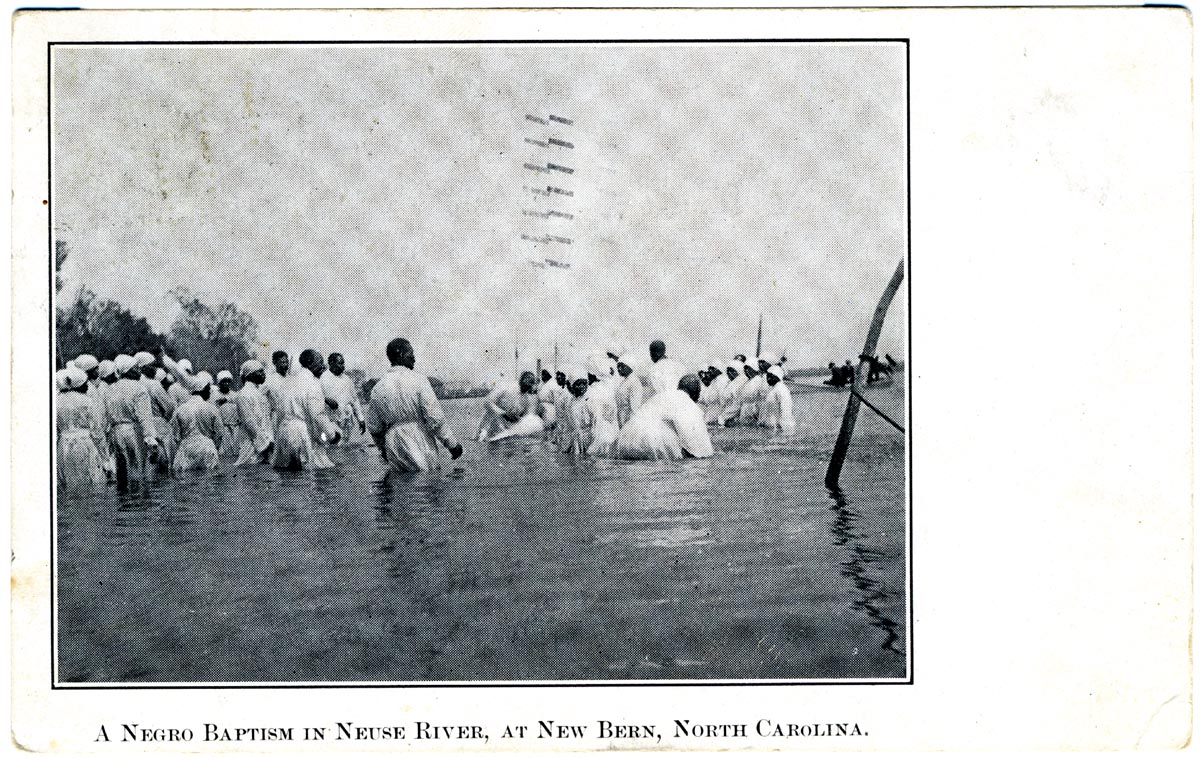
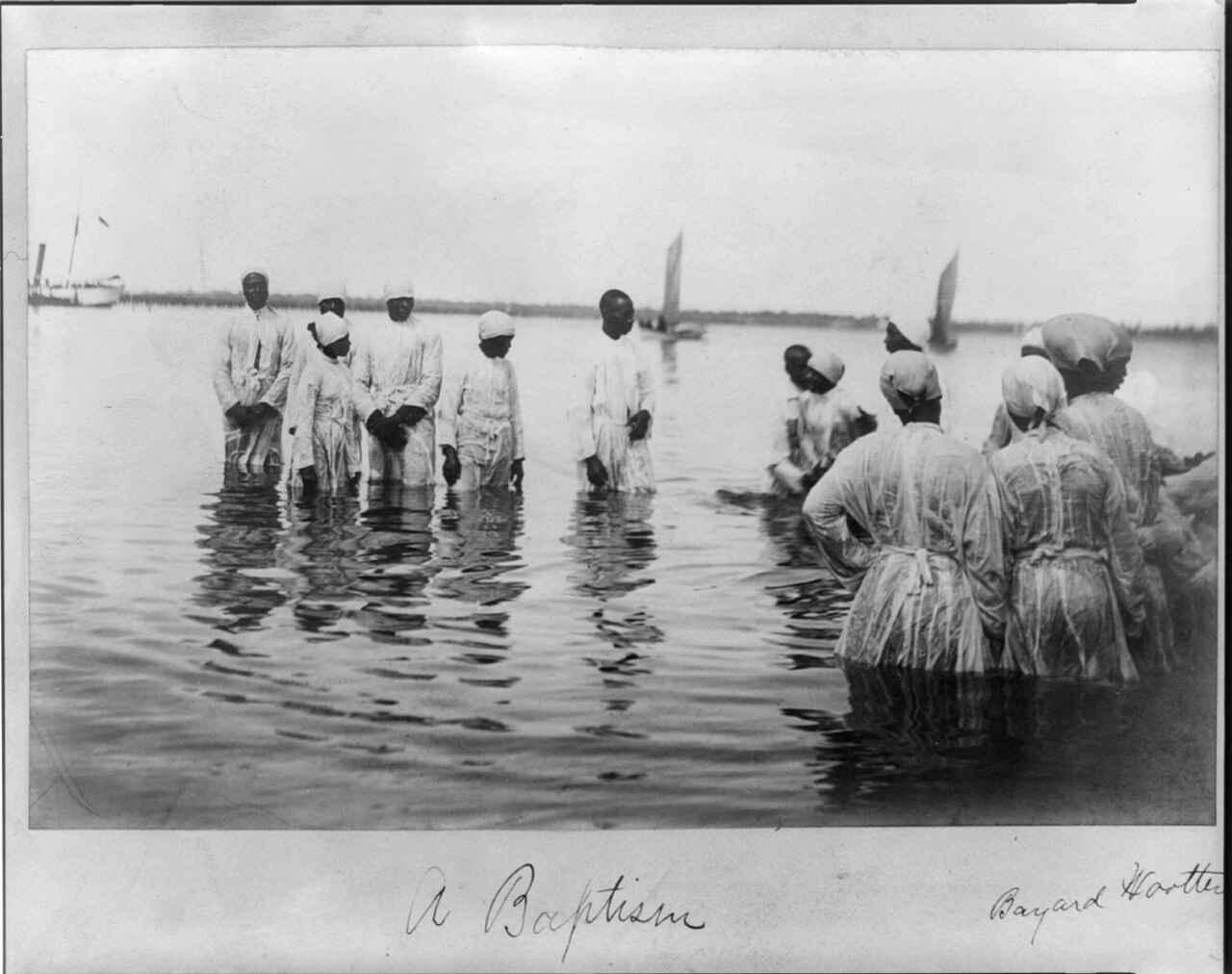
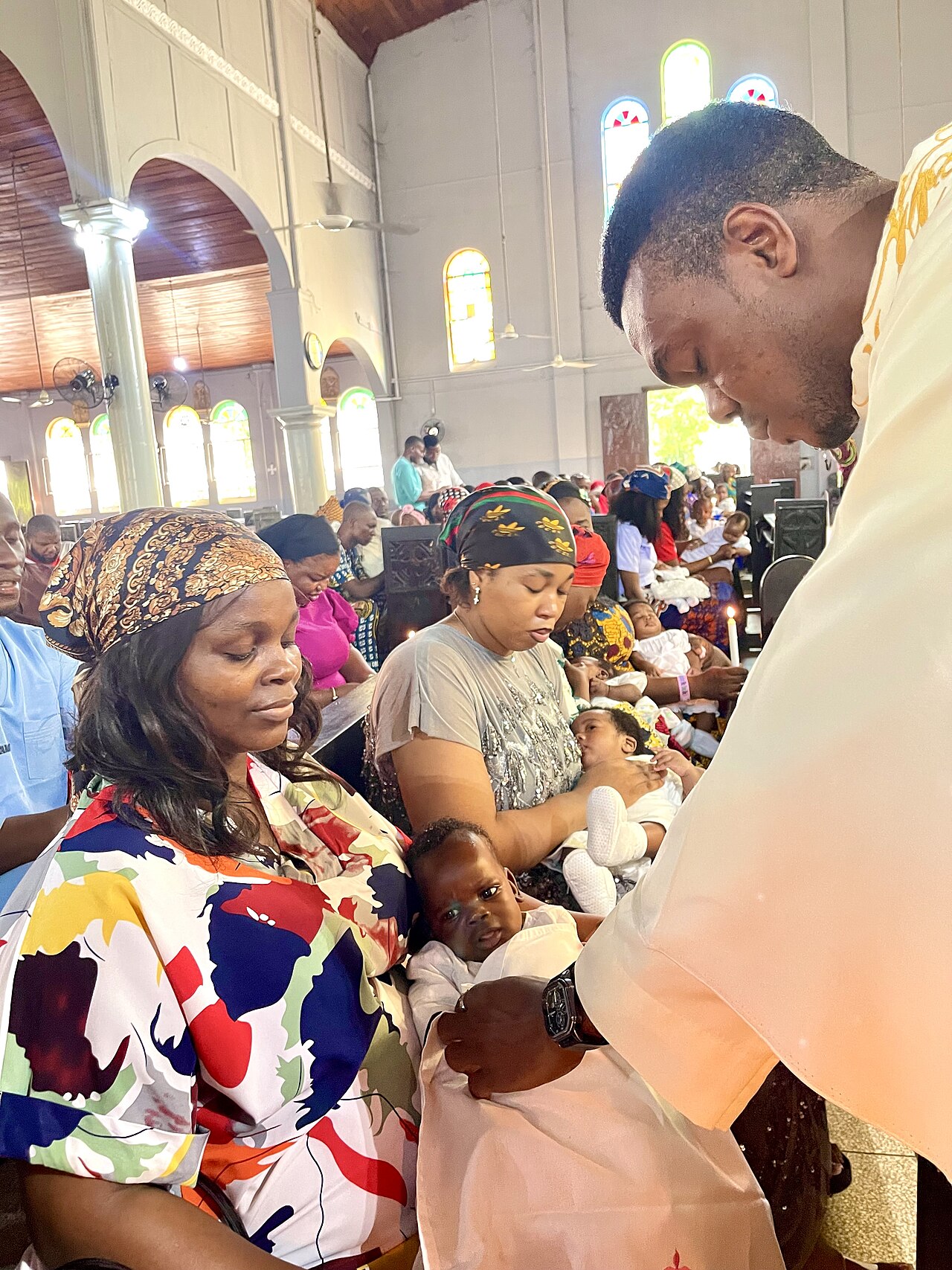
Baptism (from Koine Greek: βάπτισμα, romanized: váptisma, lit. 'immersion, dipping in water') is a Christian rite of initiation almost invariably with the use of water. It may be performed by sprinkling or pouring water on the head, or immersing in water (partially or completely), traditionally three times for each person of the Trinity. It is also called christening, although this is typically reserved for the baptism of infants. Baptism is regarded as a sacrament in most churches and an ordinance in others, with the synoptic gospels recounting that John the Baptist baptized Jesus.
- Etymology
- From Greek βάπτισμα (báptisma), 'washing, dipping'
- Primary use
- Christian rite of initiation
- Modes
- Sprinkling, pouring, immersion (partial or complete)
- Trinitarian formula
- In the name of the Father, Son, and Holy Spirit
- Alternative formula
- Jesus' name only (Oneness Pentecostals)
- Non-practicing groups
- Quakers, some Unitarians, The Salvation Army
- Outside Christianity
- Mandaeans practice repeated baptism for purification
Lore & Background
The practice of baptism emerged from Jewish ritualistic practices during the Second Temple Period, from which figures such as John the Baptist emerged. Texts in the Dead Sea Scrolls describe ritual practices involving washing, bathing, sprinkling, and immersing. John the Baptist used baptism as the central sacrament of his messianic movement. Christians consider Jesus to have instituted the sacrament of baptism. The apostle Paul distinguished between the baptism of John ('baptism of repentance') and baptism in the name of Jesus.
Reader's Guide
Baptism holds central significance in Christianity as the rite of initiation, though its mode and meaning vary widely among denominations. Most Christians baptize using the Trinitarian formula, which is seen as a basis for Christian ecumenism. In certain denominations, such as the Catholic Churches, Eastern Orthodox Churches, Oriental Orthodox Churches, Assyrian Church of the East, and Lutheran Churches, baptism is the door to church membership. Some Christian traditions regard baptism as necessary for salvation, while others, such as Huldrych Zwingli, denied its necessity. Differences also exist regarding infant baptism versus believer's baptism, and the use of immersion, affusion, or aspersion. Outside Christianity, Mandaeans undergo repeated baptism for purification. The term has also been used metaphorically for any ceremony of initiation, purification, or naming, including 'baptism by blood' for martyrs and 'baptism of desire' for those who die before receiving the sacrament.
Did You Know?
- The English word baptism derives from the Greek noun báptisma, a neologism in the New Testament.
- In certain Eastern and Oriental Orthodox Churches, the baptized person receives a cross necklace worn for life.
- Mandaeans, followers of John the Baptist, practice frequent full immersion baptism (masbuta) as a purification ritual.
Linguistic Roots and the Meaning of the Word
The English word baptism traces its path through Latin back to the Greek neuter noun báptisma, a term that appears as a neologism in the New Testament. This noun itself derives from the masculine baptismós, a word used in Hellenistic Jewish texts from the Second Temple period—such as the Septuagint—to describe ritual washing. Both nouns ultimately spring from the verb baptízō, meaning I wash, which appears in Jewish texts for ceremonial cleansing and in the New Testament for both that older practice and the newer rite. The verb baptízō in turn connects to báptō, dip, hypothetically linked to the reconstructed Indo-European root *gʷabh-. In broader Hellenistic Greek, these words carried a rich double meaning: they could describe a material going under in liquid dye, a ship sinking, a person drowning, or the general sense of being overwhelmed—bathing and washing appearing only occasionally and usually in sacred contexts.
Jewish Origins and the Early Church's Flexible Practice
Baptism did not emerge in a vacuum; it grew out of the ritualistic washing practices of Second Temple Judaism. The Dead Sea Scrolls at Qumran, particularly the Rule of the Community, describe believers whose flesh is cleansed by sprinkling with cleansing waters and made holy through waters of repentance. John the Baptist, regarded as a forerunner to Christianity, placed baptism at the center of his messianic movement, and the apostle Paul drew a distinction between John's baptism of repentance and baptism in the name of Jesus. While Mark 1:8 suggests John connected his water rite to a greater, ultimate baptism by the Spirit. In the early church, immersion was probably the most common method, yet ancient writers treated the specific mode as largely unimportant. The Didache permitted pouring when immersion was impractical, Tertullian accepted varying approaches even when they diverged from biblical mandates, and Cyprian explicitly declared the quantity of water inconsequential, defending immersion, pouring, and sprinkling alike.
A Rite Divided: Denominational Practice and Theology
The way Christians understand and perform baptism varies enormously across traditions. In Catholic, Eastern Orthodox, Oriental Orthodox, Assyrian, and Lutheran churches, baptism functions as the gateway to full church membership, with candidates making baptismal vows. Catholic and Lutheran theology generally regard it as necessary for salvation, though exceptions exist, while figures like Huldrych Zwingli explicitly denied that necessity. The Trinitarian formula—in the name of the Father, and of the Son, and of the Holy Spirit—follows the Great Commission and is used by most mainstream denominations, yet Oneness Pentecostals baptize in Jesus' name alone. The majority of Christians baptize infants, whereas Baptist churches hold that only believer's baptism constitutes true baptism. Some groups, including Quakers, many Unitarian Universalists, and The Salvation Army, do not practice water baptism at all. In Eastern and Oriental Orthodox traditions, the newly baptized receive a cross necklace worn for life, a practice inspired by the Third Council of Constantinople.
Beyond the Water: Metaphor, Martyrdom, and Mandaean Practice
The concept of baptism extends well beyond the physical rite. In early Christian history, martyrdom was identified as baptism by blood, a means by which those who died before receiving water baptism could still attain salvation. The Catholic Church later developed the notion of baptism of desire, extending grace to those who were preparing for the sacrament but died before actually receiving it. In the Methodist tradition, baptism with the Holy Spirit refers to the second work of grace—entire sanctification—while Pentecostalism identifies it with speaking in tongues. Outside Christianity, the Mandaeans, who revere John the Baptist as their greatest prophet, practice repeated full-immersion baptism (masbuta) not as a one-time initiation but as ongoing purification, and they name all rivers yardena after the Jordan. More broadly, the English word baptism has been applied metaphorically to any ceremony, trial, or experience that initiates, purifies, or names a person.
Gallery

Frequently Asked Questions
What is Baptism?
Baptism is a Christian rite of initiation that uses water to symbolize spiritual cleansing and entry into the faith community. It is regarded as a sacrament in most denominations, though some classify it as an ordinance.
How is Baptism performed?
The rite can be carried out by sprinkling water, pouring it over the head, or fully or partially immersing the person in water. Traditionally, the water is applied three times, corresponding to the Father, Son, and Holy Spirit.
What is the biblical origin of Baptism?
The synoptic gospels describe John the Baptist performing baptisms in the Jordan River, including the baptism of Jesus himself. This event is widely regarded as the foundational precedent for the ongoing Christian practice.
Why is Baptism important in Christianity?
Most churches view it as the essential first step of Christian initiation, marking the individual's formal entry into the body of believers. The officiant typically speaks the Trinitarian formula over the person as the rite is completed.
Which Christian groups do not practice Baptism?
Quakers, certain Unitarian congregations, and The Salvation Army are notable examples of Christian communities that do not administer water baptism. These groups generally emphasize inward spiritual transformation over outward ritual.
More in Religious Practices And Symbols 1-17
Spotted an error? Know more?
This is a living reference — every entry is fact-audited, and reader corrections feed straight into our audit queue. Suggest an edit · See this site's audit record